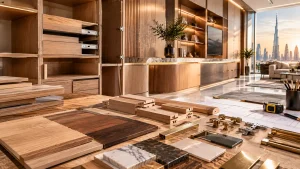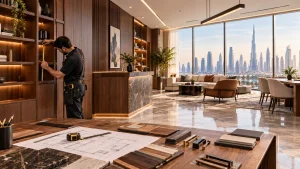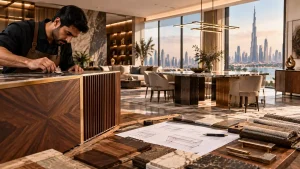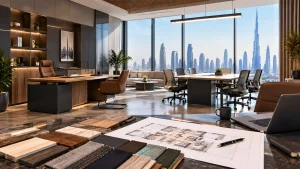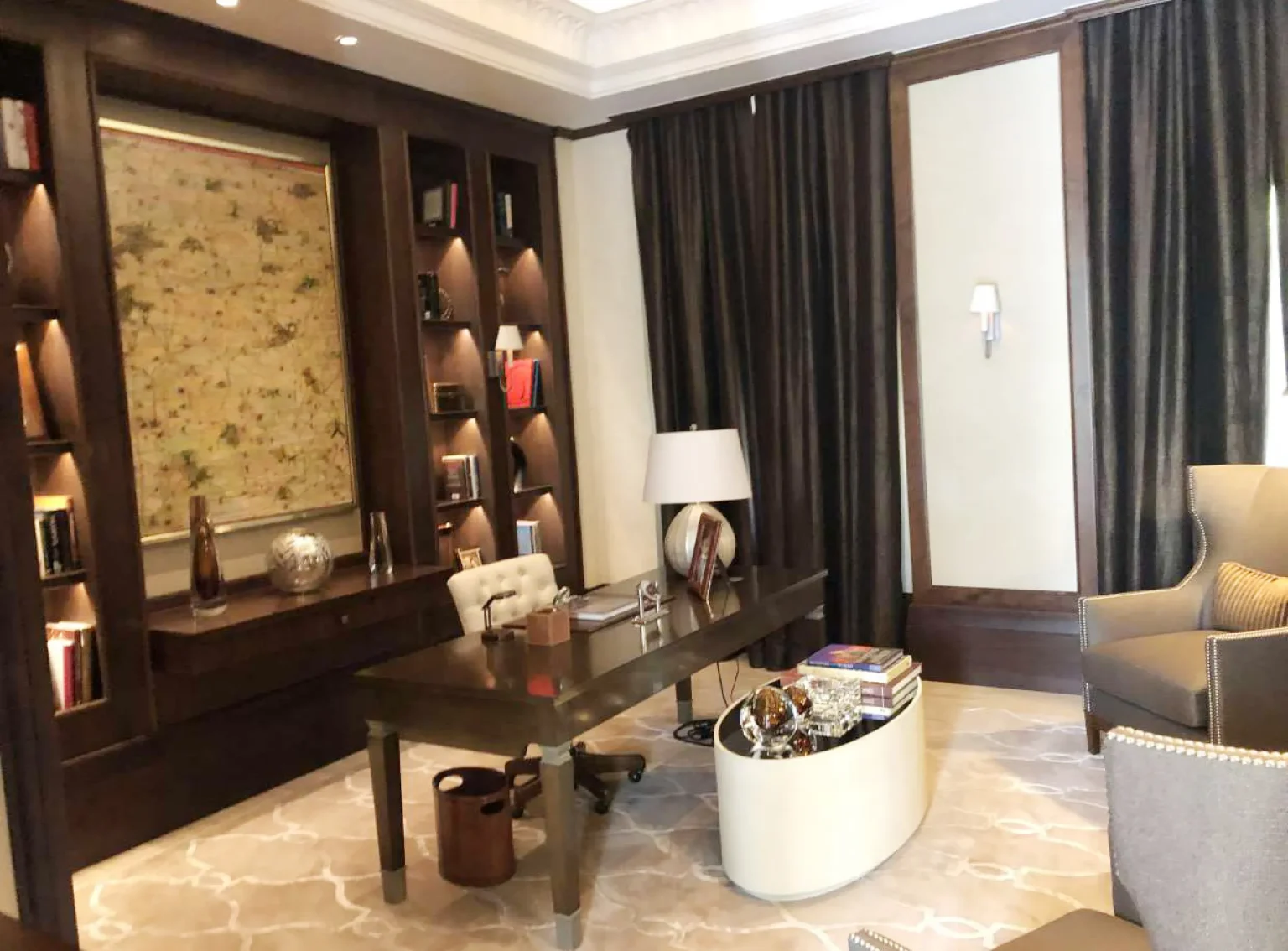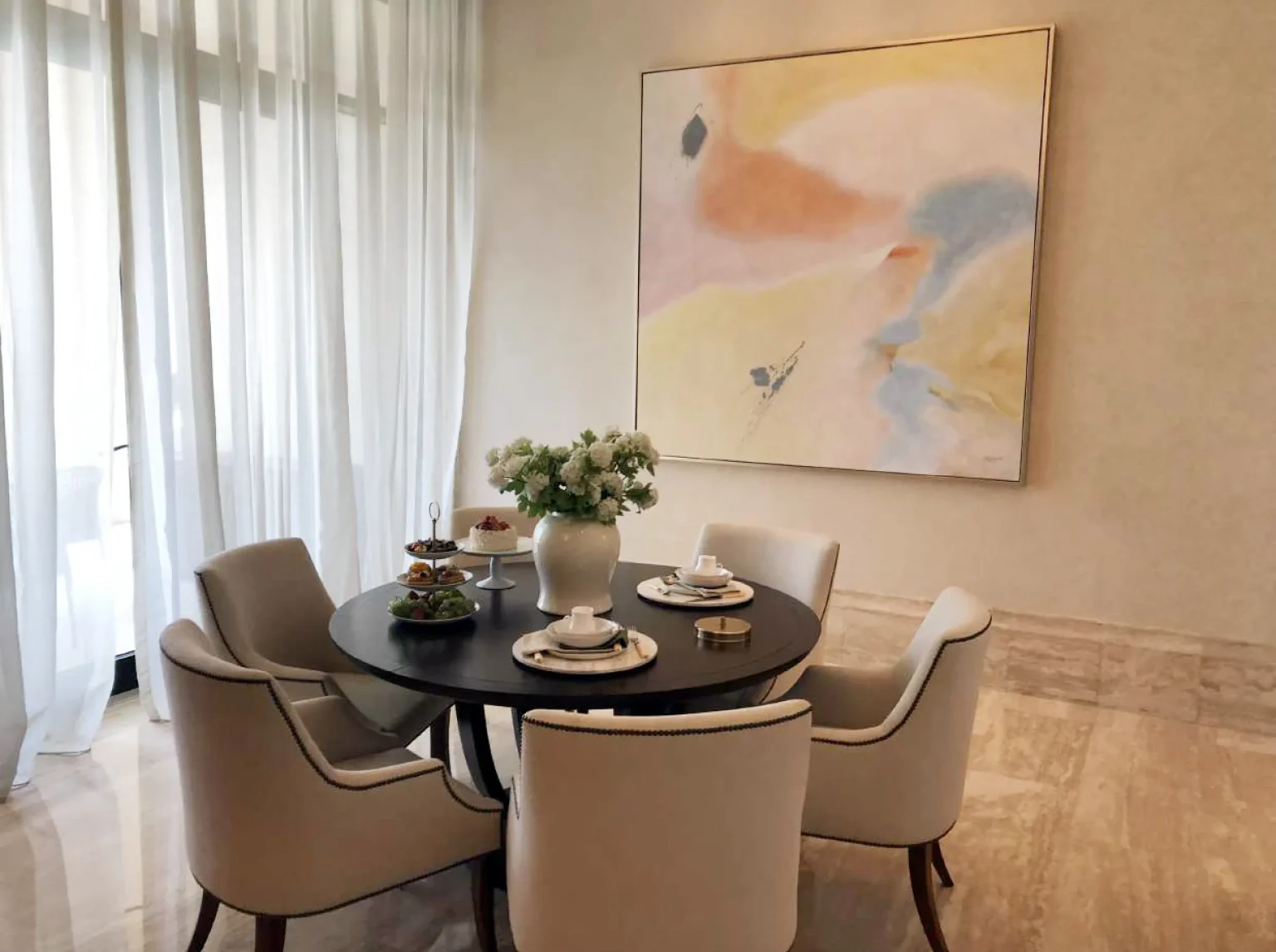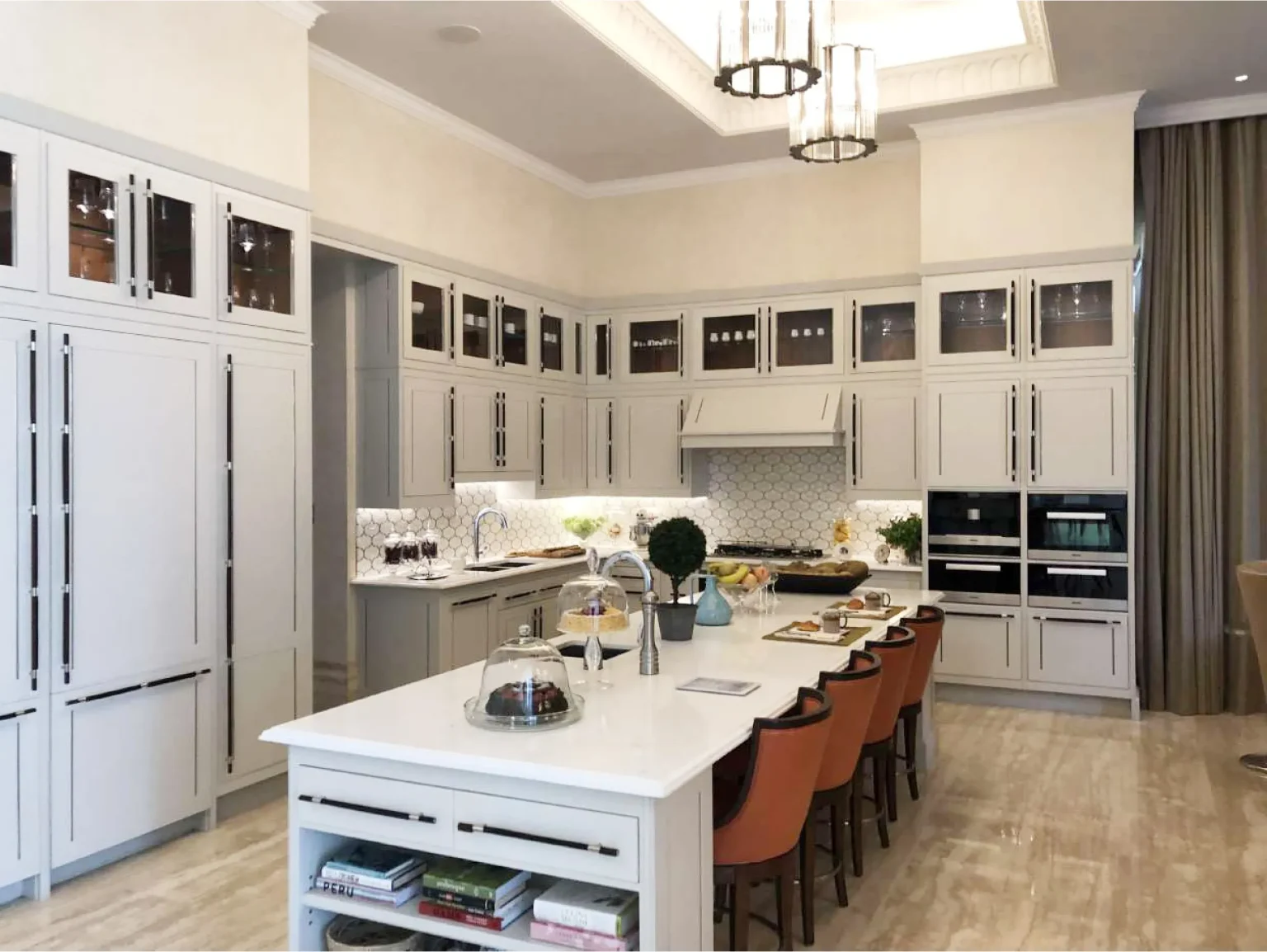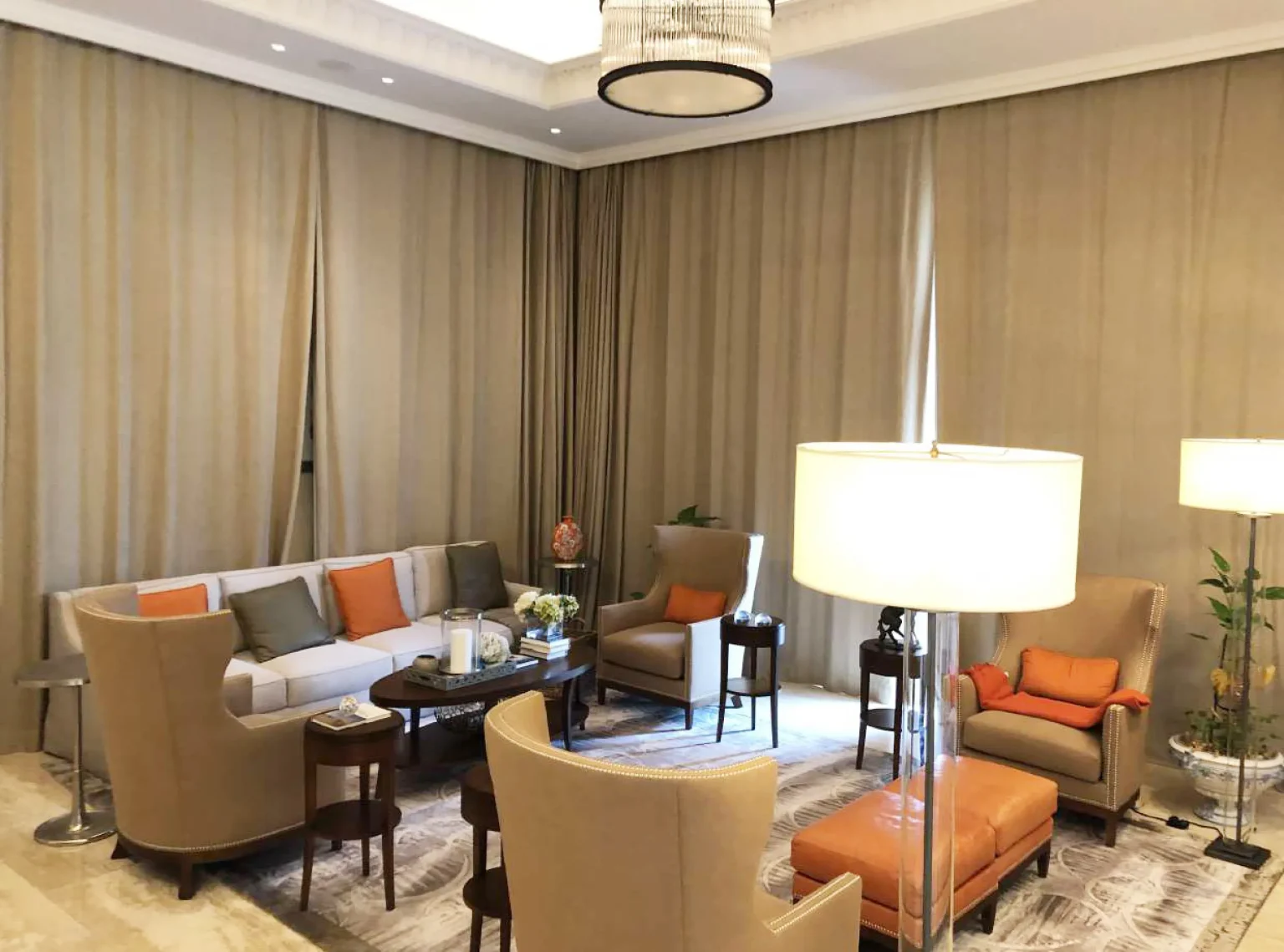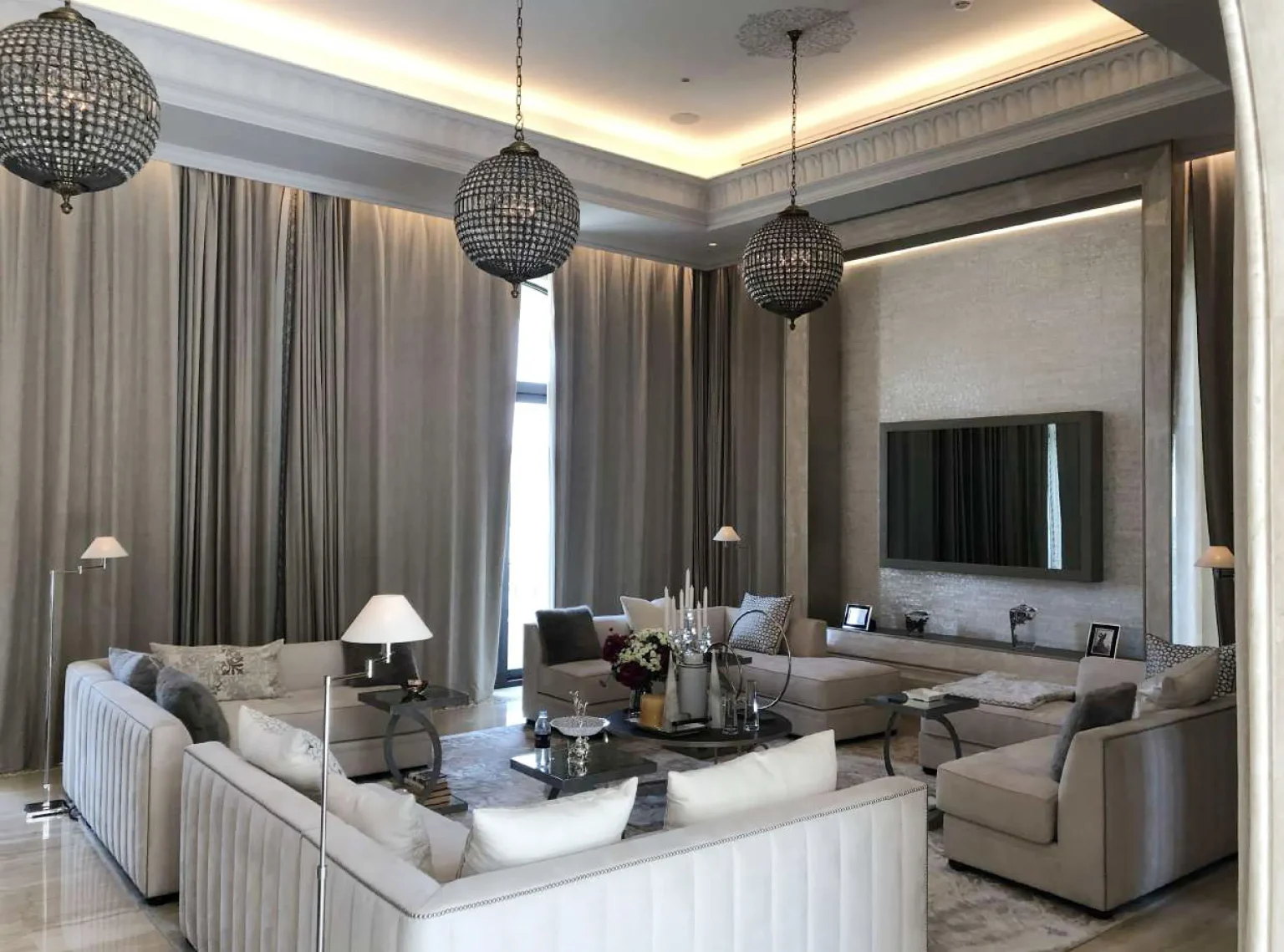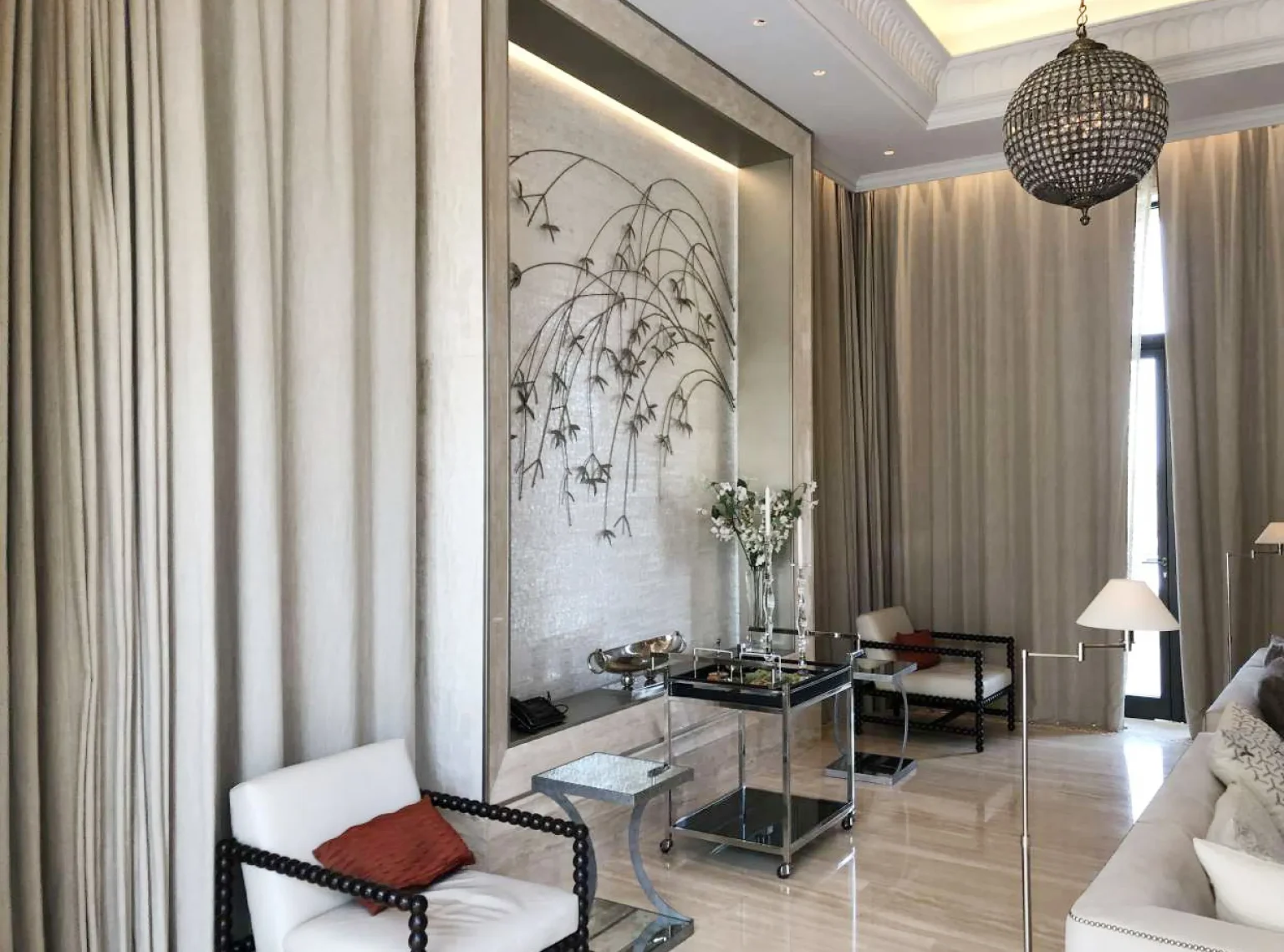
Most people start a joinery project with one question: how much will it cost? It is a fair question, but it is hard to answer without understanding two other things first. What will it be made of, and how will it be made?
Bespoke joinery is built for one space and one client. There is no catalogue price, because every wardrobe wall, kitchen, reception desk or panelled lobby is different. Two quotes for the “same” kitchen can be far apart for good reasons, or for bad ones.
This guide breaks down the materials, the production process and the factors that drive joinery cost in Dubai, so you can read a quote properly and spend your budget where it matters.
What Makes Joinery “Bespoke”?
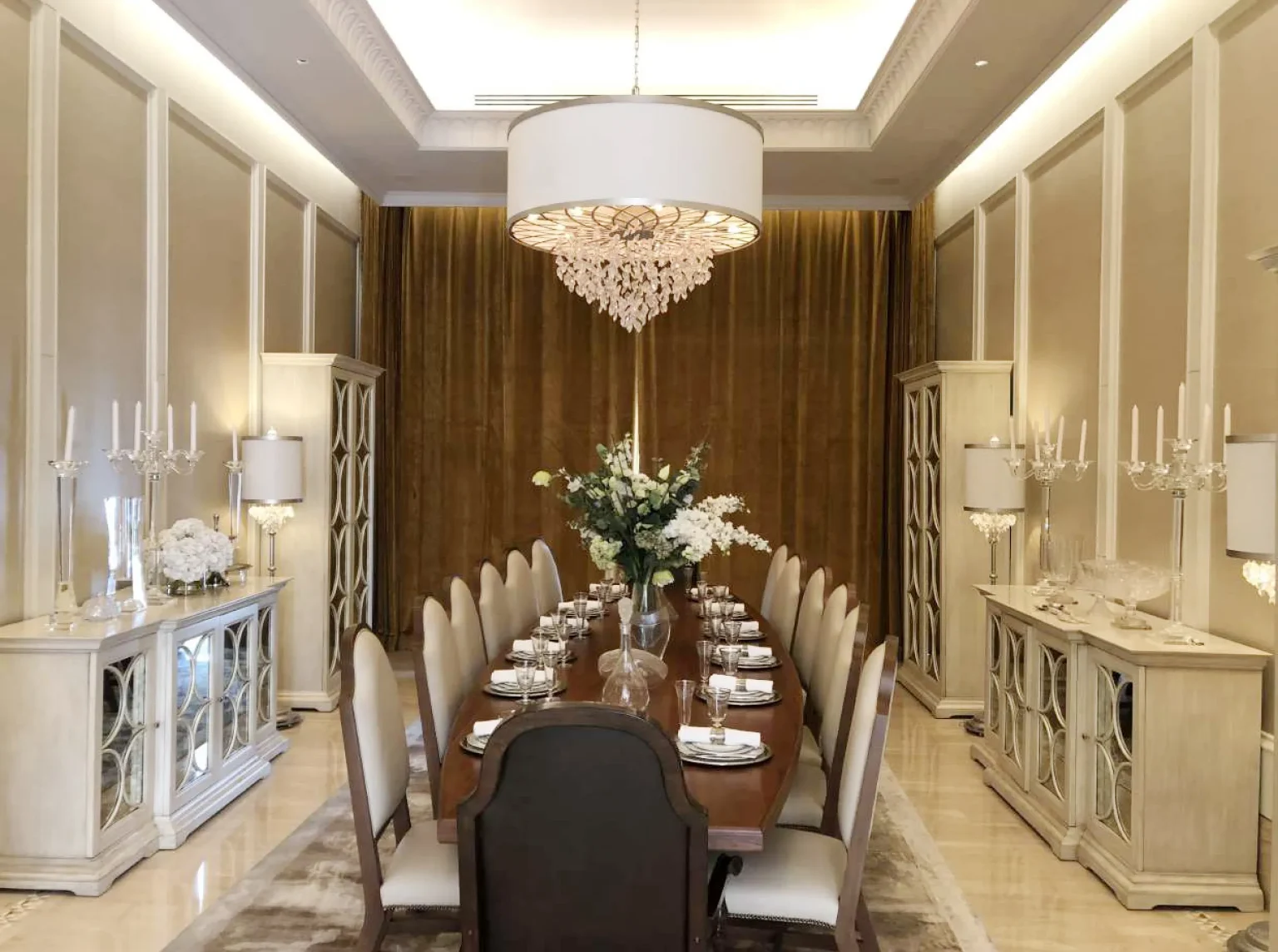
Off-the-shelf furniture is designed first and then sold to whoever it fits. Bespoke work runs the other way. The piece is designed around your room, your measurements and the way you actually use the space.
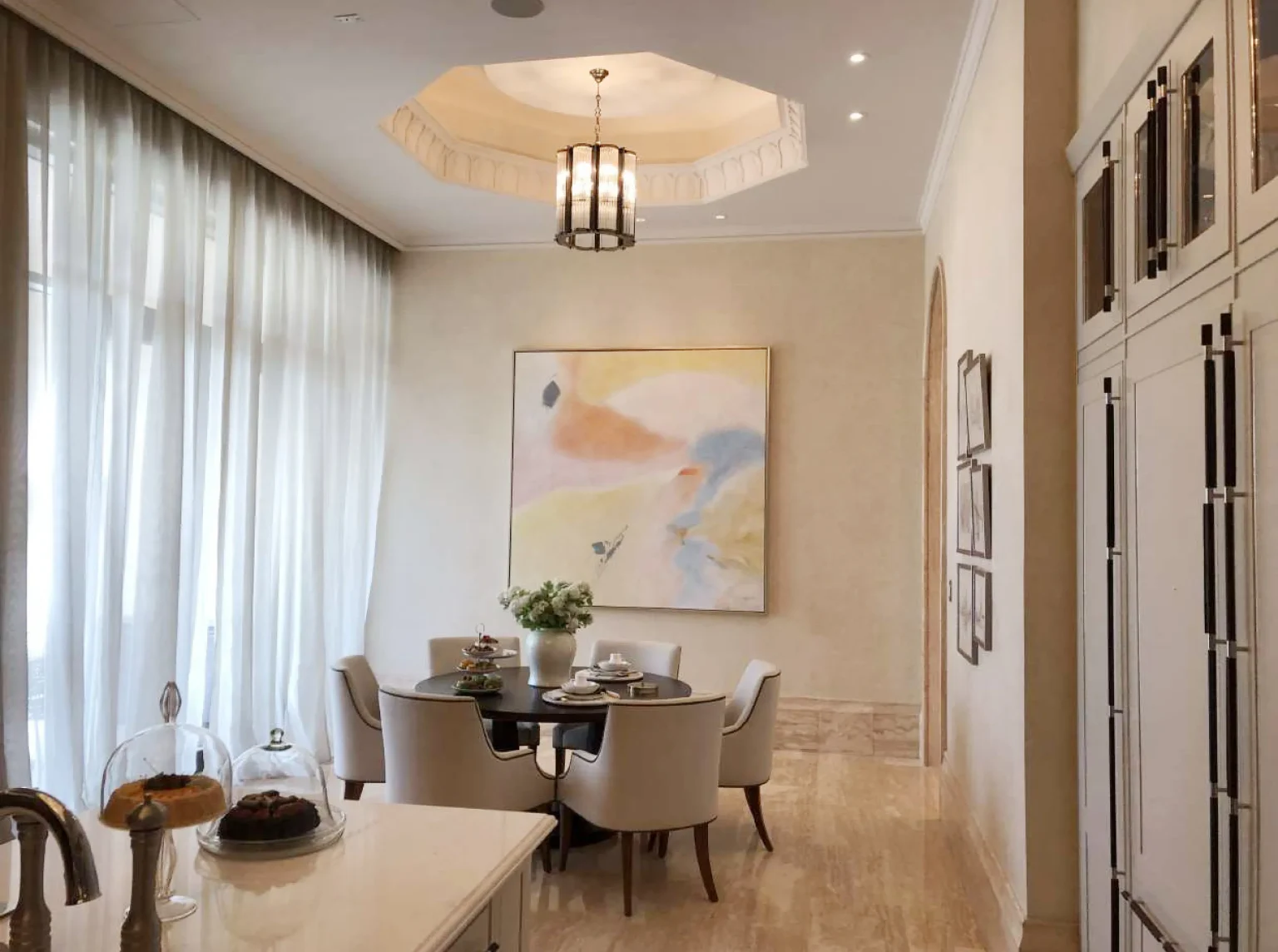
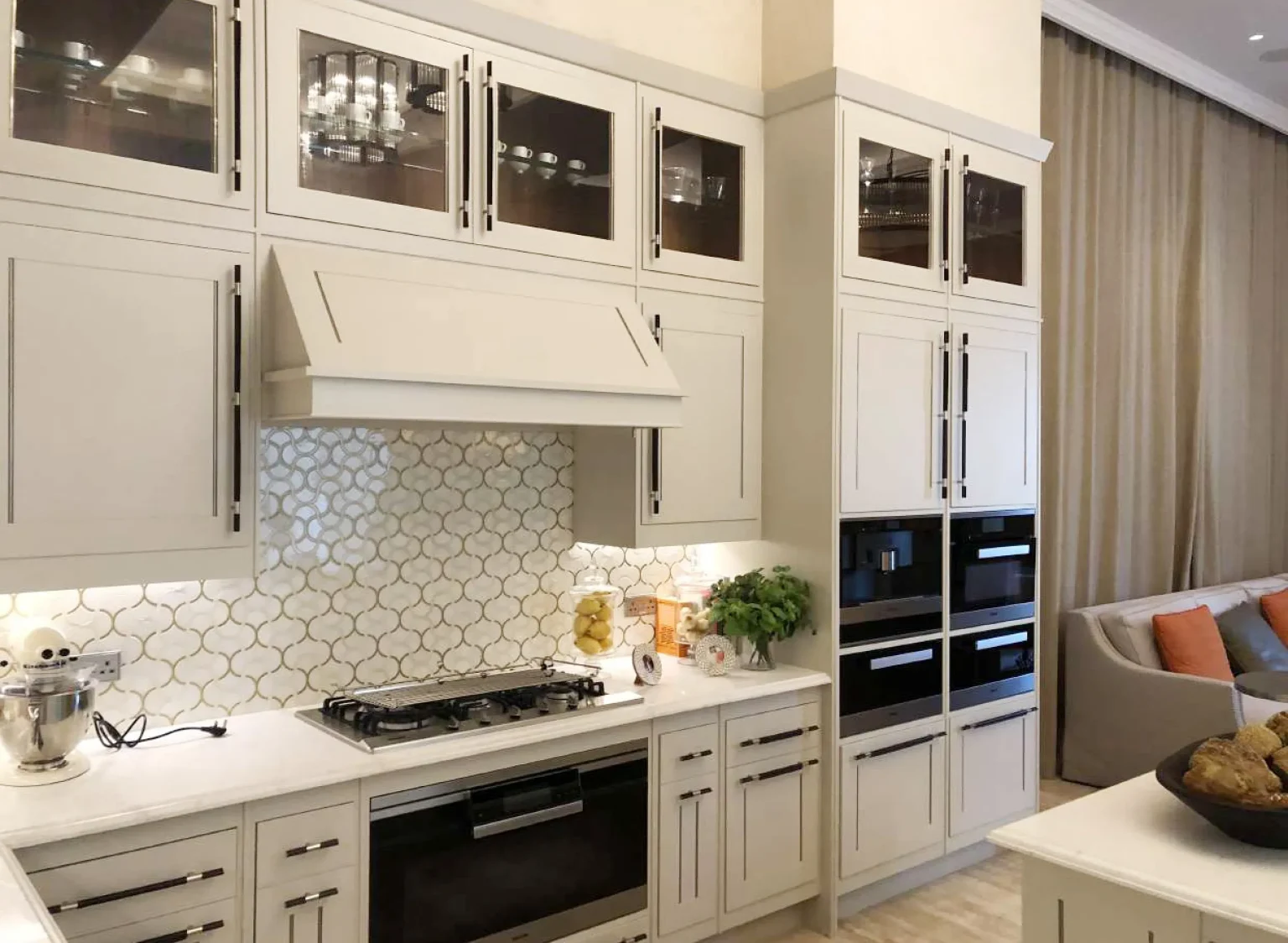
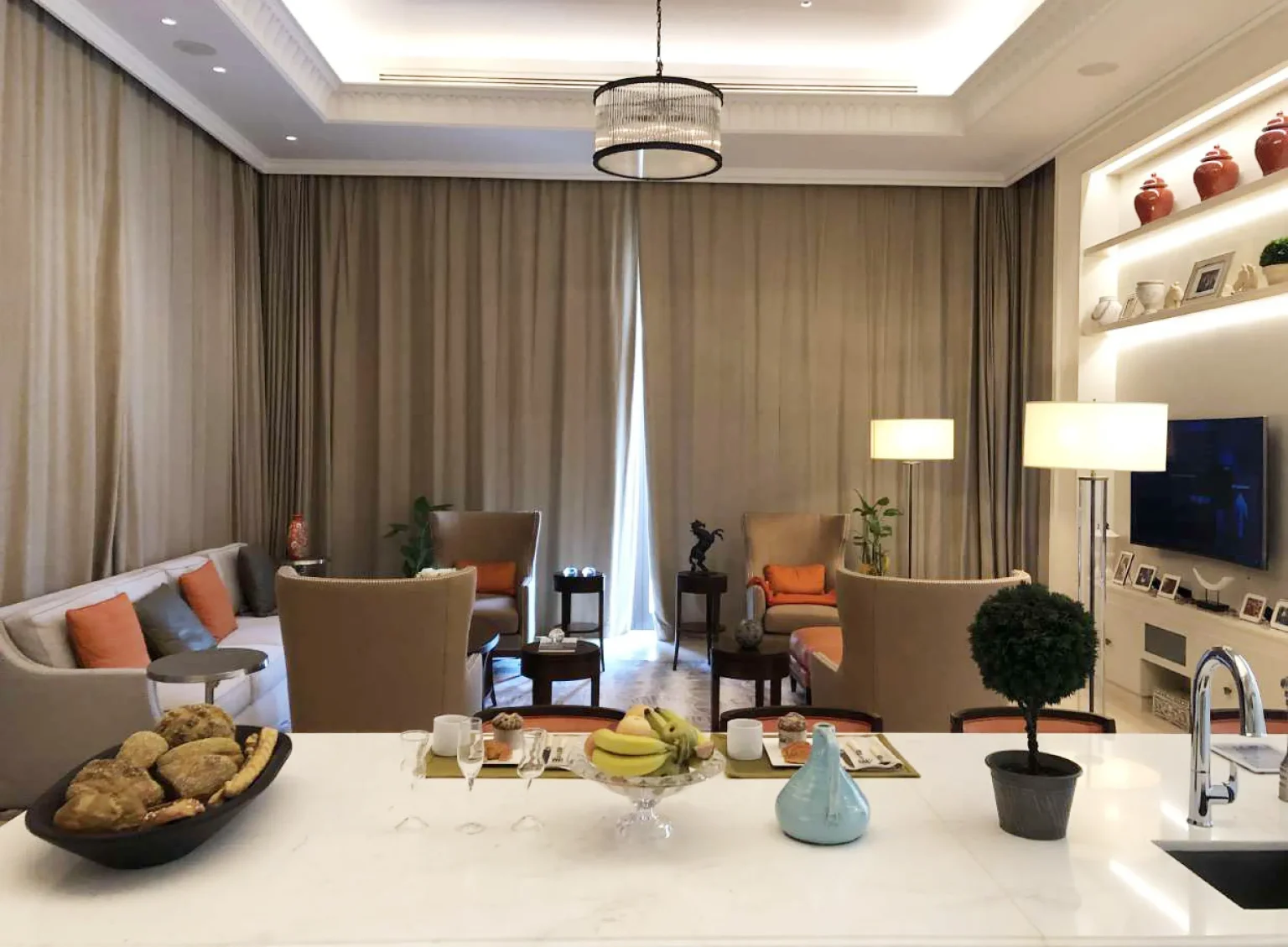
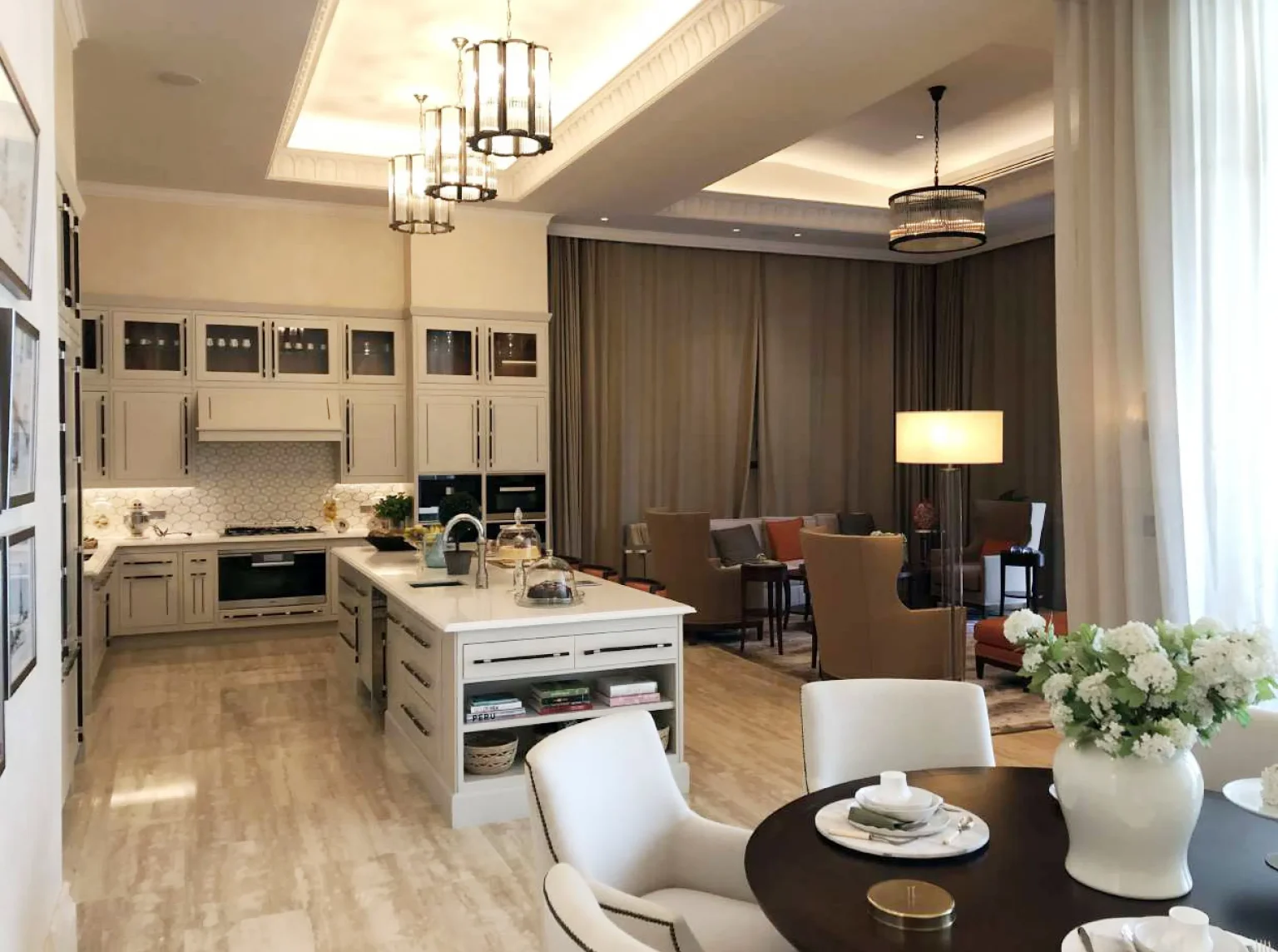
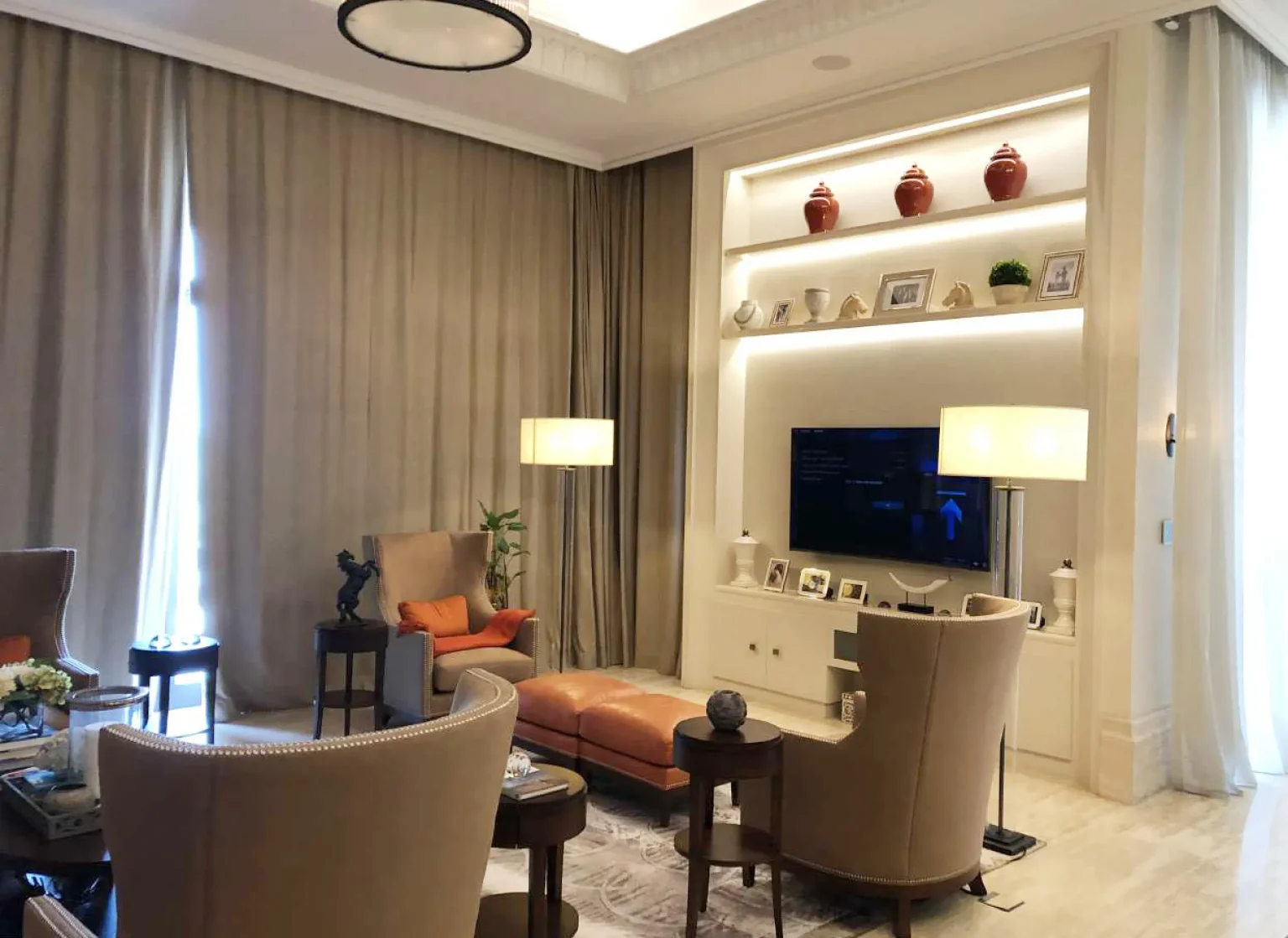
That could mean a wardrobe that runs exactly floor to ceiling around a column, a TV wall with hidden storage, or a hotel reception counter shaped to the lobby. Good bespoke joinery in Dubai fills the awkward corners that standard units leave empty, and it is built to handle the local climate from the start.
Materials: What Your Joinery Is Actually Made Of
Material choice affects the look, how long the piece lasts and a large share of the price. In Dubai, it also has to cope with heat, humidity and year-round air conditioning.
Core boards
- MDF: smooth, stable and ideal for painted or lacquered finishes. Standard MDF suits dry areas like bedrooms and living rooms.
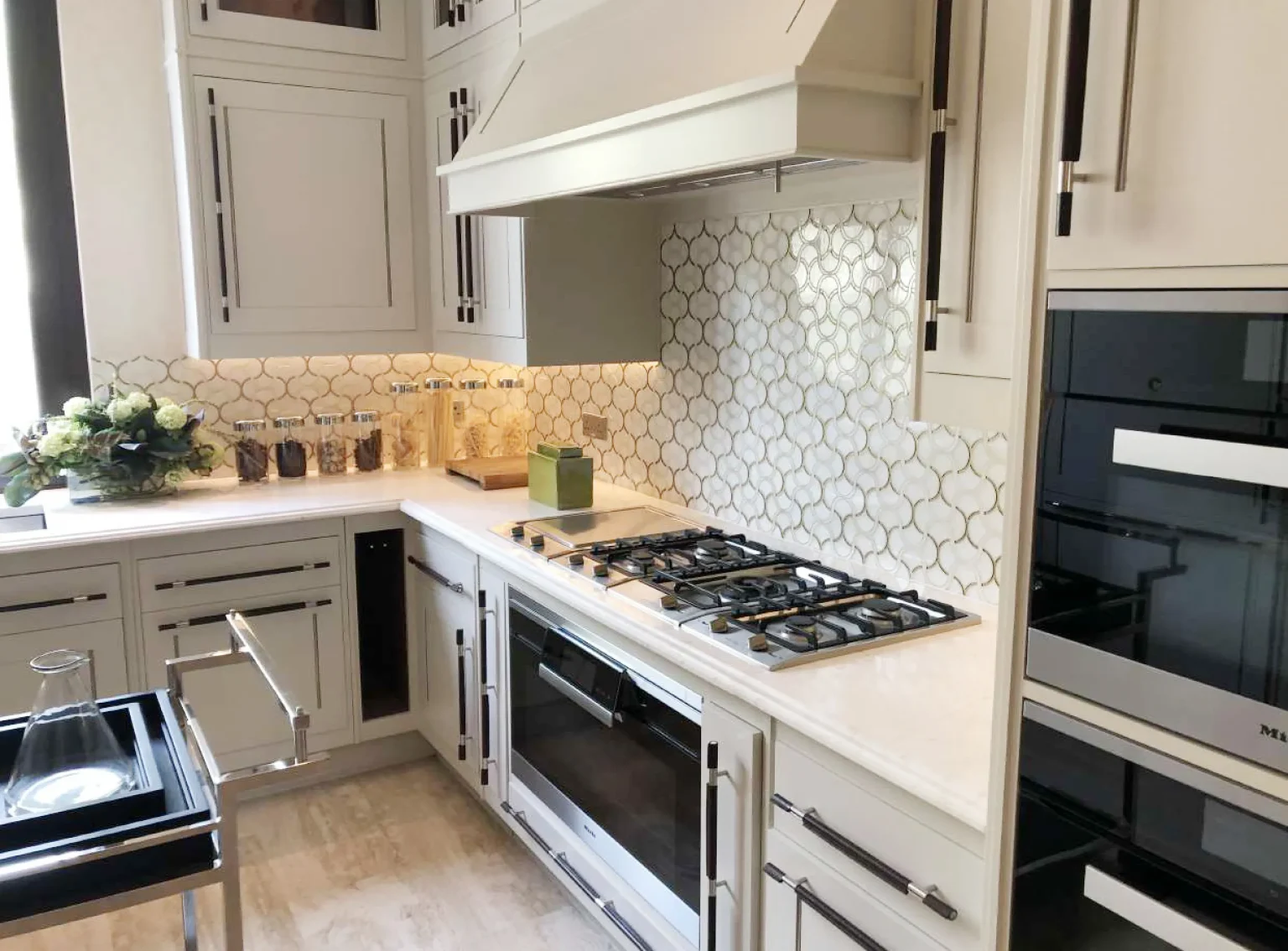
- Moisture-resistant MDF: the usual choice for kitchens, bathrooms and laundry areas, where standard MDF can swell.
- Plywood and marine plywood: stronger and better at holding screws. Marine plywood is used where water exposure is higher, such as under sinks.
- Particle board: cheaper, but weaker and more sensitive to moisture. It is fine for some carcasses in dry areas, but it is often the hidden reason a low quote is low.
- Solid wood: oak, walnut, ash and similar timbers give warmth and character. Solid wood moves with temperature and humidity, so it needs careful design and good seasoning.
Surface finishes
- Lacquer (matt, satin or gloss): a sprayed finish on MDF that gives a clean, seamless look. Quality depends heavily on the spray booth and how many coats are applied.
- Wood veneer: a thin layer of real timber over a stable board. You get the look of solid wood with better stability and a lower cost.
- High-pressure laminate (HPL): tough, scratch-resistant and easy to clean, which makes it popular for offices, retail and heavy-use areas.
- Acrylic and high-gloss panels: striking and modern, though they show fingerprints and scratches more easily.
Hardware
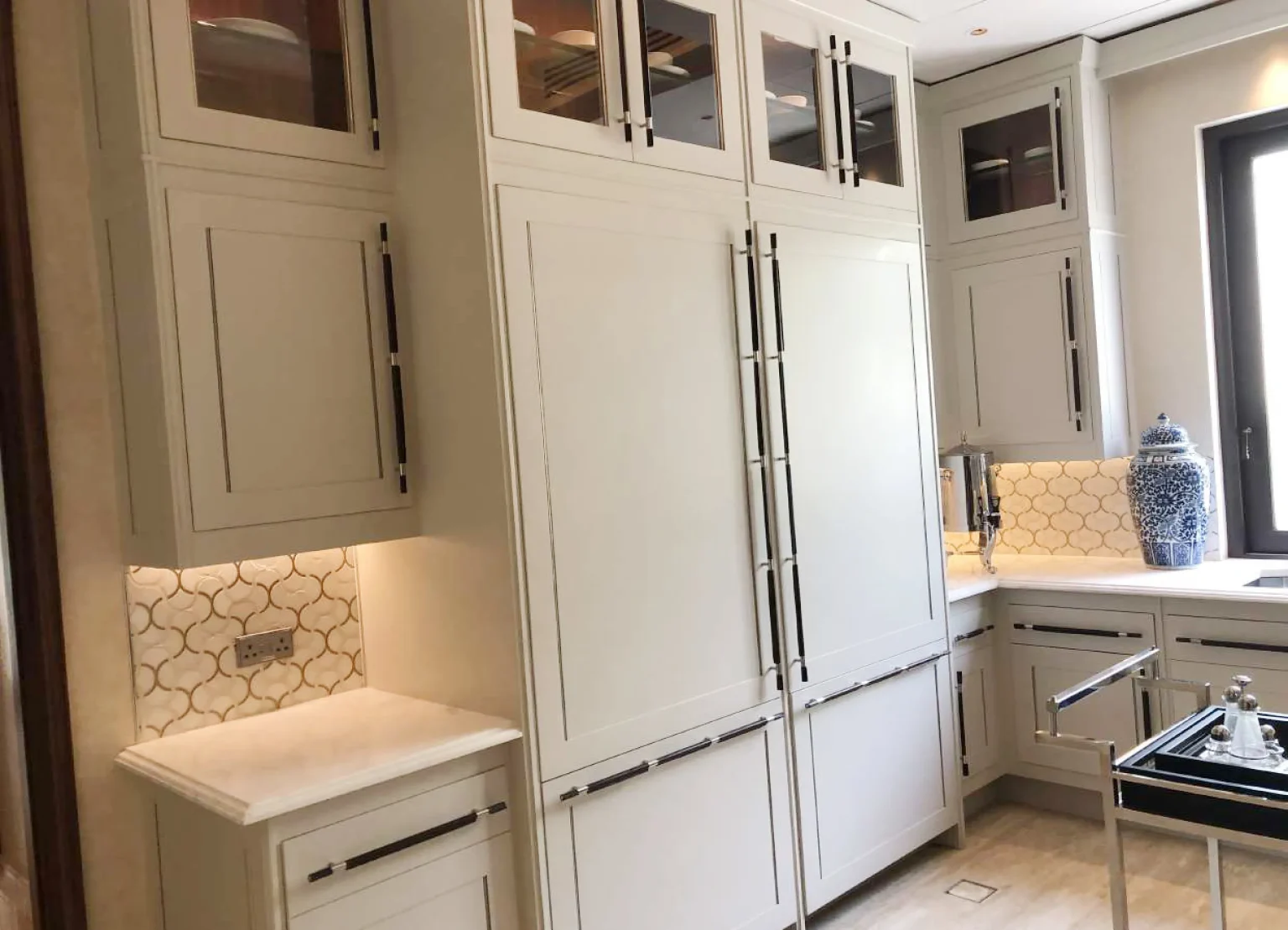
Hinges, drawer runners, lift mechanisms and handles are small line items that make a big difference to daily use. Established European brands cost more, but they last for years of opening and closing. Always ask which brand is included, because hardware is one of the easiest places to cut cost without the client noticing.
A reliable building materials supplier in the UAE behind the workshop also matters. Consistent boards, veneers and edging mean fewer colour mismatches and production delays.
The Bespoke Joinery Process, Step by Step
Knowing the process helps you plan your timeline and understand where your money goes. A well-run project usually follows these stages:
- Brief and consultation: you share the design, references, budget and how the space will be used.
- Site survey: the joinery team measures the actual site, checking walls, floors, ceilings and service points.
- Design and shop drawings: every piece is drawn with exact sizes, materials, finishes and hardware.
- Samples and approval: you sign off on board colours, veneers, finishes and handles before anything is ordered.
- Procurement: boards, veneers and hardware are ordered or pulled from stock.
- Production: panels are cut, edged, drilled, assembled and sanded in the workshop.
- Finishing: lacquer, stain or oil is applied, then left to cure properly.
- Quality check: pieces are inspected, and some are dry-fitted in the factory.
- Delivery and installation: the team fits everything on site, scribing to uneven walls and floors.
10. Snagging and handover: doors are aligned, hinges adjusted and any marks touched up.
Skipping steps two to four is the most common cause of expensive mistakes. For bigger projects, where joinery has to line up with lighting, air conditioning and structure, input from engineering services during the drawing stage saves a lot of rework on site.
Cost Factors: What Drives the Price Up or Down
There is no fixed price per metre for bespoke work, but the same factors show up in almost every quote.
1. Materials and finishes
This is usually the biggest variable. Painted MDF costs less than walnut veneer. High-gloss lacquer with many coats costs more than a satin finish. Moisture-resistant boards cost more than standard ones, but using them in a kitchen is not optional.
2. Size and complexity
A straight run of wardrobes is simpler than a curved reception desk with integrated lighting. Curves, hidden doors, angled cuts, fluted panels and complex internal layouts all add design time, machine time and handwork.
3. Hardware and accessories
Soft-close hinges, push-to-open mechanisms, pull-out corner units, internal lighting and organisers can easily add a noticeable share to the total. They are often worth it, but you should see them listed clearly.
4. Quantity and repetition
Making 40 identical office storage units is more efficient per unit than making one unique piece. Repetition lets the workshop set up once and produce in batches, which lowers the unit cost.
5. Site conditions
Access matters in Dubai. High-rise towers with booked service lifts, restricted working hours, long carry distances and uneven walls all add installation time. A villa with open access is usually quicker to install than an apartment on the 40th floor.
6. Timeline
A rushed programme may need overtime or production slots bumped ahead of other jobs. If your deadline is tight, expect it to show in the price.
7. Design changes after approval
This is the cost most clients do not plan for. Changes after production starts can mean scrapped panels and repeat work. Taking time over the drawings and samples is the cheapest way to protect your budget.
How to Keep Joinery Costs Under Control
- Spend on what you touch and see daily, such as fronts, worktops and hardware. Save on hidden areas like internal carcasses in dry rooms.
- Use premium veneer on feature pieces and a painted finish on secondary storage.
- Standardise door sizes where the design allows it.
- Finalise drawings fully before production starts.
- Plan joinery alongside the wider interior fit-out so installation happens once, on a ready site.
If you are still comparing workshops, our guide on how to choose a joinery contractor covers the questions to ask before you sign.
Joinery as Part of a Bigger Project
Joinery rarely stands alone. On a new villa, it depends on the build schedule. In an office or hotel, it has to match loose furniture and the wider interior. Working with a group that handles villa construction, fit-out and custom furniture in Dubai under one roof keeps materials, colours and timelines in line, and gives you one team to answer for the finished result.
Frequently Asked Questions
Q1: How much does bespoke joinery cost in Dubai?
A: It depends on materials, finishes, hardware, complexity and site access. A painted MDF wardrobe costs far less than a veneered walnut wall unit with integrated lighting. An itemised quote after a site survey is the only reliable way to price your project.
Q2: How long does bespoke joinery take?
A: Smaller residential jobs often take a few weeks after drawing approval. Larger commercial packages take longer. Design approval and material availability are usually the biggest factors in the timeline.
Q3: Which material is best for joinery in Dubai’s climate?
A: Moisture-resistant MDF or marine plywood for kitchens and bathrooms, and standard MDF, plywood or veneered board for dry rooms. Solid wood works well when it is properly seasoned and designed to allow for movement.
Q4: Is veneer cheaper than solid wood?
A: Usually, yes. Veneer gives you real timber on the surface over a stable core, which costs less and is less likely to warp in changing humidity.
Q5: Why do joinery quotes vary so much?
A: Quotes differ in board quality, finish, hardware brand, installation scope and exclusions. Always compare itemised quotes so you know what each price actually includes.
Q6: Can I reduce cost without lowering quality?
A: Yes. Use premium finishes only on visible feature pieces, standardise sizes where possible and lock the design before production. These steps save money without affecting durability.
Get a Clear Joinery Quote From Chihu Group
Planning a kitchen, wardrobes, a feature wall or a full commercial joinery package in Dubai? The Chihu Group team can visit your site, recommend the right materials for each area and give you an itemised quote, so you know exactly where your budget is going before production begins.