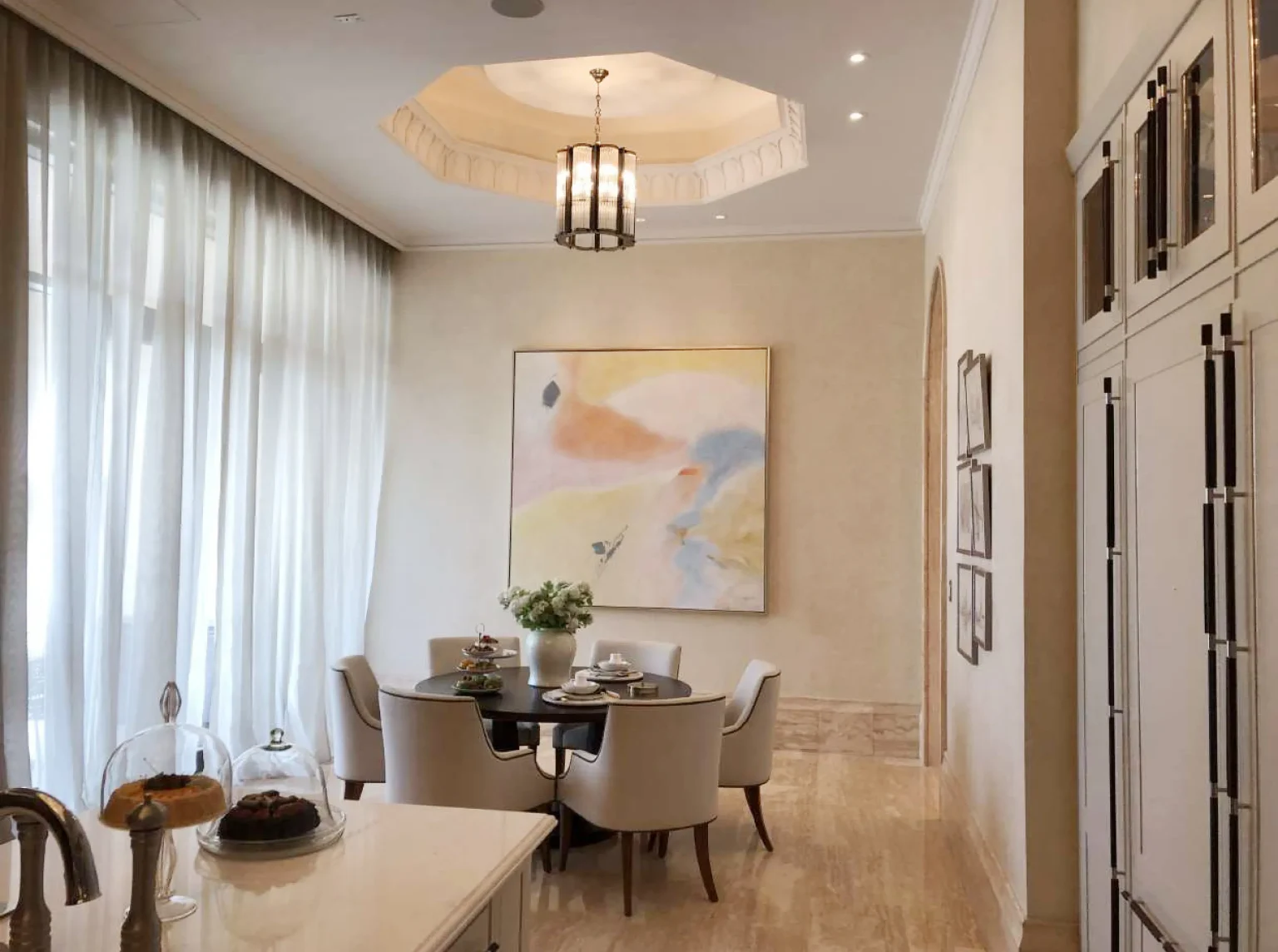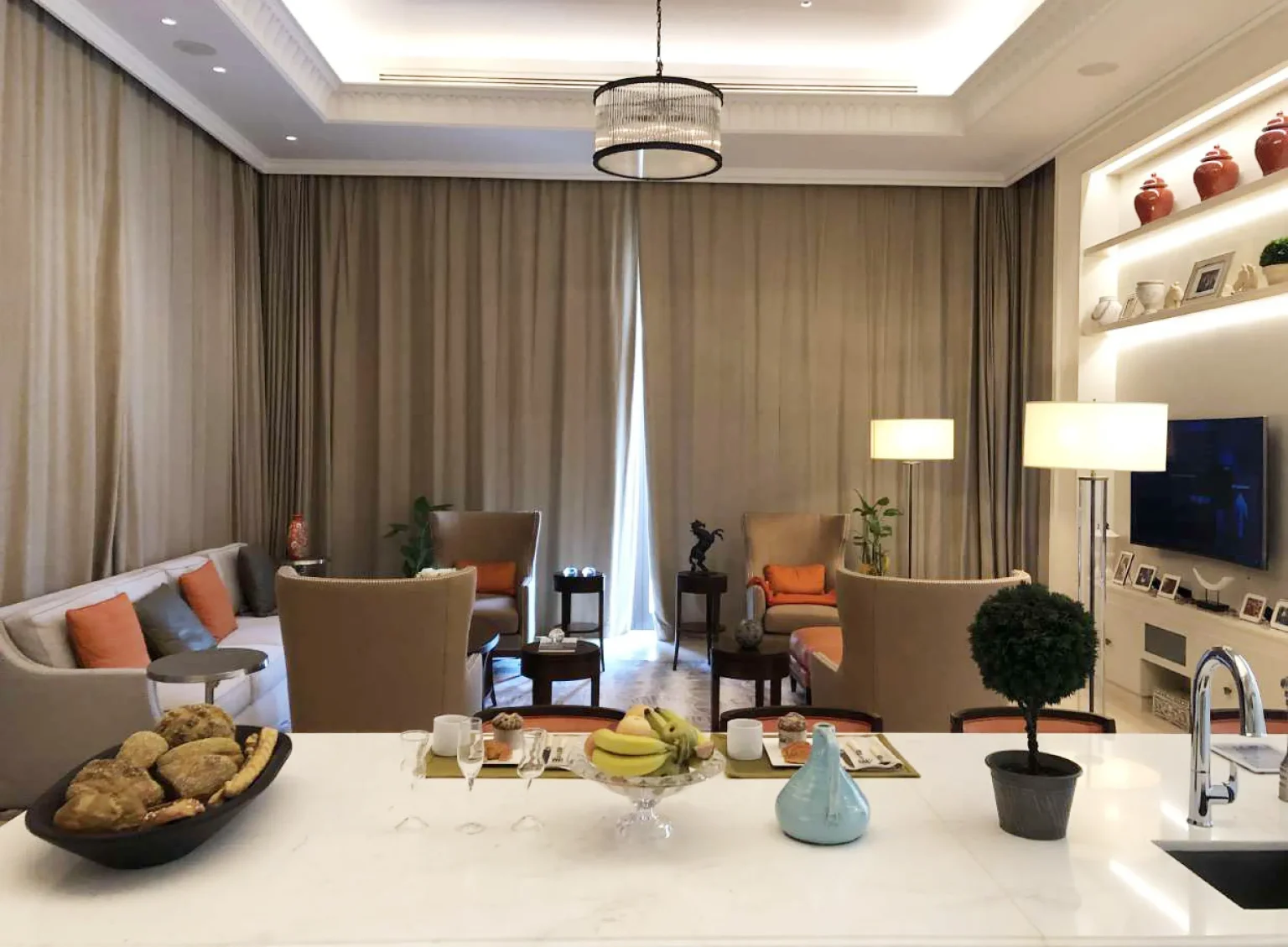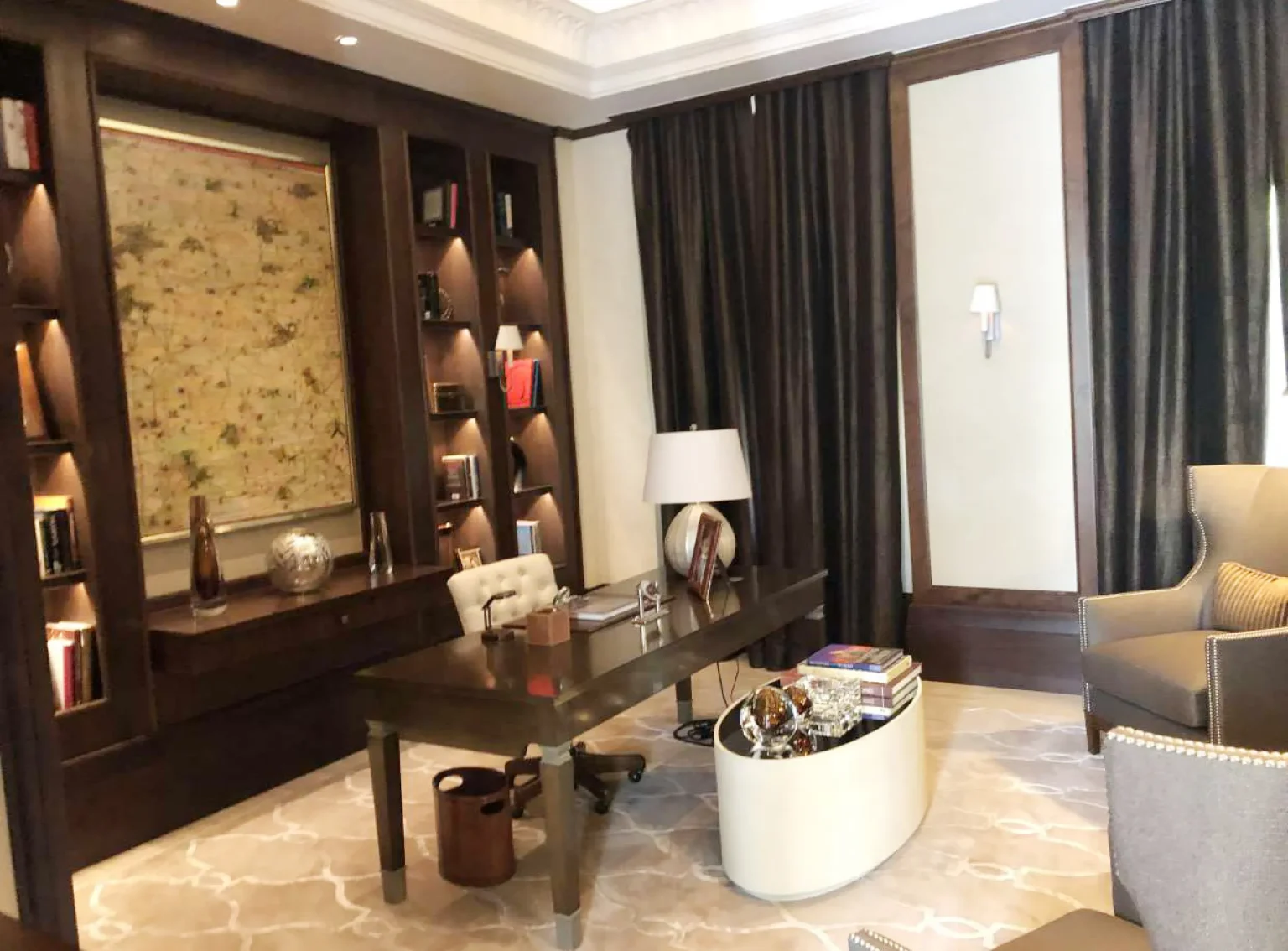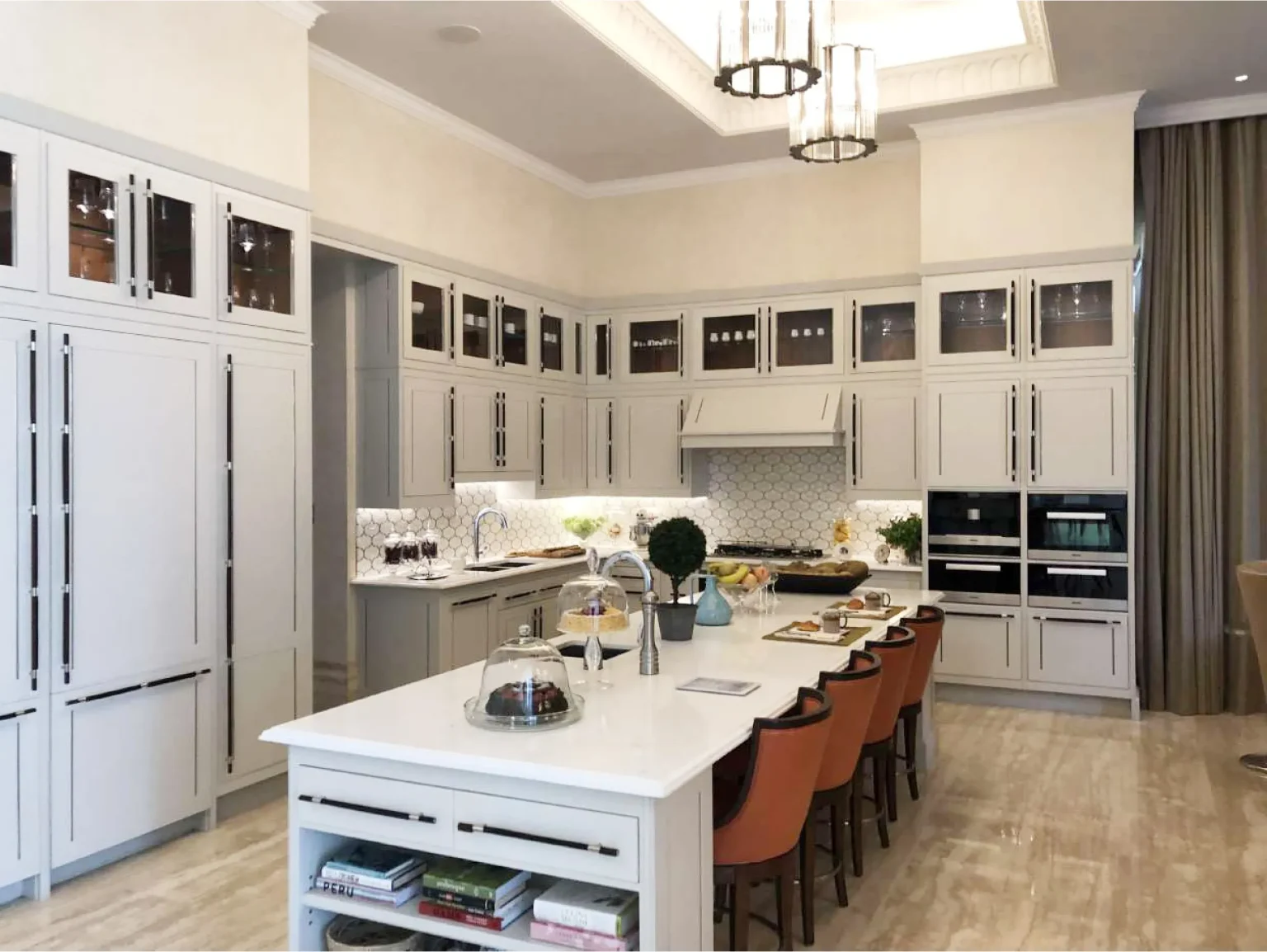
“Luxury” in Dubai furniture usually means one of two very different things: a piece flown in from an Italian or Portuguese workshop, or a piece built locally by a manufacturer with its own factory. Both get called luxury furniture in dubai, both get styled the same way in a showroom, and both can carry a five-figure price tag. What actually differs is the cost structure behind the price, how long you wait, how much you can change, and what happens when something needs repairing five years in. This comparison breaks down what each path actually involves.
Imported Luxury Furniture: What the Process Actually Involves
Imported furniture Dubai does not simply arrive from the factory to your villa. Every shipment has to clear customs, and most furniture categories carry the standard 5 percent GCC common customs duty on top of the product price and freight. Beyond duty, furniture entering the UAE is subject to MOHAP and ESMA product safety testing for flammability and VOC emissions, a certification step that can add six to twelve weeks to import clearance depending on the product category and testing backlog. Add ocean freight, which typically runs 6 to 10 weeks from Europe depending on the shipping line and season, and a single imported piece can take three to five months to reach a client from the point of order, longer if the design needs any customization from the original factory.
In-House Manufacturing: What It Actually Means
In-house furniture manufacturing Dubai means the piece is designed, cut, joined, and finished inside a local factory, most commonly clustered in Al Quoz Industrial Area. There is no ocean freight, no import certification delay, and no customs duty layered onto the base cost, since the materials (not the finished furniture) are what gets imported, and raw board, hardware, and fabric typically move faster and cheaper through customs than a completed luxury piece. A local luxury furniture manufacturer Dubai works from the same premium material sources, solid wood, Italian marble, fine leather, and bespoke upholstery fabrics, that imported brands use, but assembles and finishes them on-site.
True Cost Comparison: Imported vs In-House
The price difference is not just about labour. It comes from stacked cost layers that imported furniture carries and in-house manufacturing avoids.
| Cost Layer | Imported Luxury Furniture | In-House Manufacturing |
|---|---|---|
| Base material and craftsmanship | Included | Included |
| Ocean freight | 8 to 20% of product value | Not applicable |
| GCC customs duty | ~5% of CIF value | Not applicable on finished goods |
| MOHAP/ESMA certification delay cost | Indirect, via extended lead time | Not applicable |
| Distributor/showroom markup | Often 20 to 40% | Lower, direct factory pricing |
| Typical total premium over local equivalent | 30 to 70% | Baseline |
A custom furniture design dubai piece built locally is not automatically cheaper in raw material terms, since premium materials cost the same wherever they are sourced. The savings come from removing freight, duty, and distributor markup from the final price. Our building materials team sources the same premium boards, hardware, and finishes used across both categories, so a locally built piece is not a lower-grade substitute, it is the same material quality without the imported cost layers.
When comparing luxury furniture cost Dubai quotes side by side, always ask whether the number includes freight and duty already paid, or whether those costs will be added later at clearance. Showrooms selling imported stock sometimes quote the ex-factory price only, which understates the final landed cost significantly.
Lead Time Comparison
Luxury furniture lead time Dubai varies dramatically depending on which route is chosen.
- Imported luxury furniture (standard catalogue piece): 3 to 5 months from order to delivery
- Imported luxury furniture (customized from the original factory): 4 to 7 months
- In-house manufactured luxury furniture (custom design): 6 to 14 weeks depending on scope
For a villa fit-out or hospitality project on a fixed handover date, this gap alone can determine which route is realistic.
Customization: What You Can Actually Change
Imported furniture Dubai typically limits customization to what the original factory catalogue already offers, usually fabric, color, and occasionally leg finish. Structural dimensions rarely change without a full custom order placed directly with the overseas factory, which extends the timeline further. In-house manufacturing removes that constraint entirely, since dimensions, joinery, hardware, and finish are all decided locally against the actual room, not against a fixed factory template.
After-Sales, Repairs and Long-Term Value
This is where the imported versus local decision matters most after the sale is complete. A damaged veneer panel, a worn armrest, or a fading fabric on an imported piece often means sourcing a matching material from overseas again, sometimes discontinued, with the same shipping and clearance delays as the original order. A locally manufactured piece can usually be repaired or reupholstered by the original workshop within days, using the same material batch records kept on file. Warranty claims follow the same pattern: enforcing a luxury furniture warranty Dubai claim against an overseas factory involves far more friction than dealing with a workshop operating in Dubai, since the manufacturer, the materials, and the labour records are all local and traceable.
Materials and Craftsmanship: Is Imported Automatically Better?
Not necessarily. UAE luxury furniture manufacturers source the same tier of materials, Italian marble, solid hardwoods, and fine leather, that overseas brands use, and finish them with the same standard of hand craftsmanship. Where imported brands do hold a genuine edge is in specific artisan skill categories where the UAE market has a documented shortage. Industry data shows the region’s skilled upholstery labour capacity has not kept pace with demand for bespoke villa commissioning, which is part of why some designers still default to Italian and Portuguese workshops for highly specialized upholstery work. For structural joinery, casegoods, and most residential furniture categories, though, that gap does not apply, and local craftsmanship matches import quality at a lower total cost.
When Imported Makes Sense
Imported luxury furniture is the right call when a project specifically calls for a named designer collection, an iconic piece tied to a particular studio, or a highly specialized upholstery technique that the local skilled labour pool cannot yet match. It also suits projects with no fixed handover deadline, where the longer lead time is not a constraint.
When In-House Manufacturing Makes Sense
In-house manufacturing is the stronger choice for villa furniture packages, hospitality rollouts, and any project on a defined timeline, since it removes shipping and certification risk entirely. It also suits anyone who wants full control over dimensions rather than working within an overseas catalogue, and anyone planning to repair or reupholster the piece years down the line without going through another import cycle.
Sustainability: Shipping Footprint vs Local Production
Ocean freight and air freight for imported luxury furniture carry a measurable carbon cost that locally manufactured furniture avoids almost entirely. Beyond the environmental angle, some developers and hospitality operators in Dubai now factor shipping footprint into procurement decisions for ESG-linked projects, which is pushing more specifications toward locally made furniture Dubai even at the top end of the market. In-house production also generates far less packaging waste, since finished pieces do not need the heavy protective crating required for a multi-week sea voyage.
Resale and Long-Term Value
Luxury furniture brands Dubai carry a name-recognition premium at the point of sale, but that premium does not always hold on resale, particularly once a collection is discontinued and spare parts become hard to source. Locally manufactured pieces tend to hold serviceable value longer, since the original workshop can usually still repair, reupholster, or rebuild the piece years later using matched materials, which keeps it functional rather than retired to storage once a fabric wears out.
Ready to Compare Your Options?
Whether you are weighing an imported collection against a locally manufactured alternative, CHIHU Group can quote both paths side by side for your luxury furniture Dubai project, with real lead times and a transparent cost breakdown, so the decision is based on facts rather than showroom pressure. Book a free consultation to get started.
Frequently Asked Questions
Is imported luxury furniture actually better quality than furniture made in Dubai?
Not automatically. Local manufacturers source the same material tiers, including Italian marble, solid wood, and fine leather, and finish them with comparable craftsmanship. The main exception is a small set of highly specialized upholstery techniques where regional artisan capacity is still limited.
How much more does imported furniture cost compared to locally made luxury furniture?
Once freight, GCC customs duty, and distributor markup are factored in, imported luxury furniture typically carries a 30 to 70 percent premium over an equivalent locally manufactured piece.
Why does imported furniture take so long to arrive in Dubai?
Beyond ocean freight of 6 to 10 weeks, furniture must pass MOHAP and ESMA safety testing for flammability and VOC emissions, which can add another six to twelve weeks to clearance depending on the product category.
Can I customize imported luxury furniture the same way as locally made pieces?
Only within what the original factory catalogue offers, usually fabric or color. Structural changes require a direct custom order from the overseas factory, extending the timeline well beyond a standard import.
What happens if imported luxury furniture gets damaged years after purchase?
Repairs often require sourcing matching material from the original overseas supplier, which can face the same shipping and clearance delays as the original order, and materials are sometimes discontinued by then.
Is in-house manufactured furniture considered lower status than imported luxury brands?
Perception is shifting. As more UAE manufacturers control design, sourcing, and finishing entirely in-house, the distinction buyers increasingly care about is craftsmanship and material quality, not country of assembly.