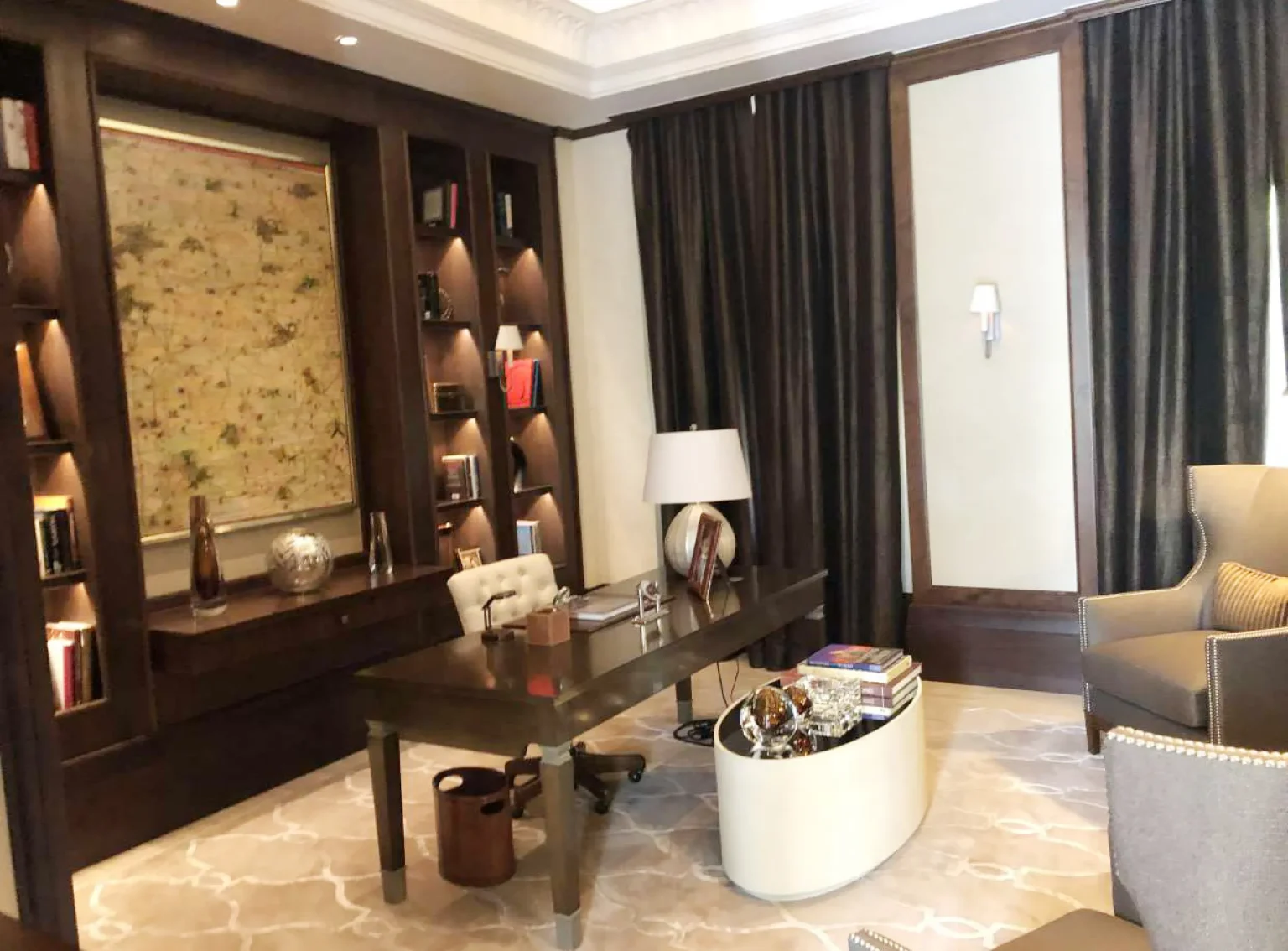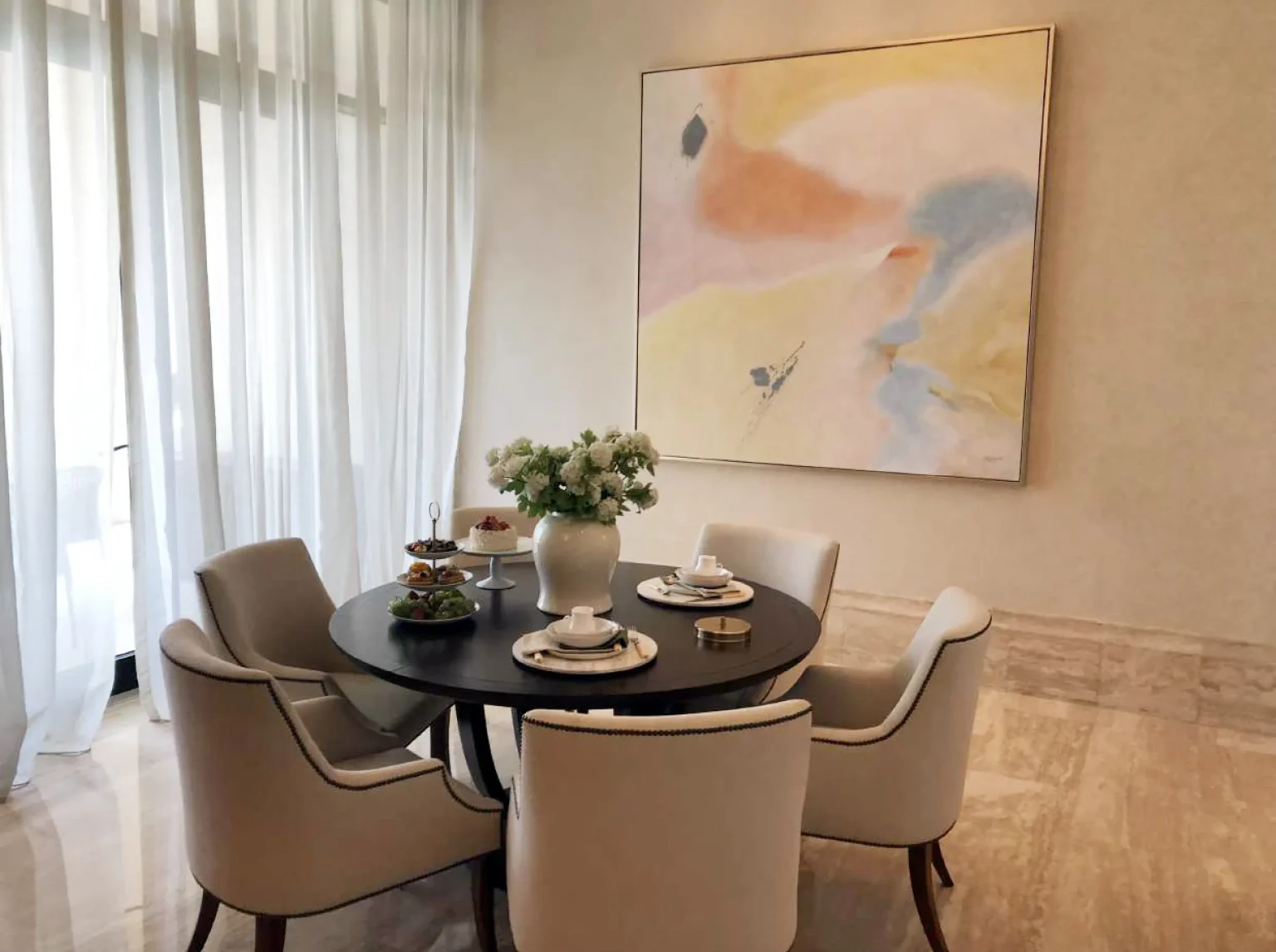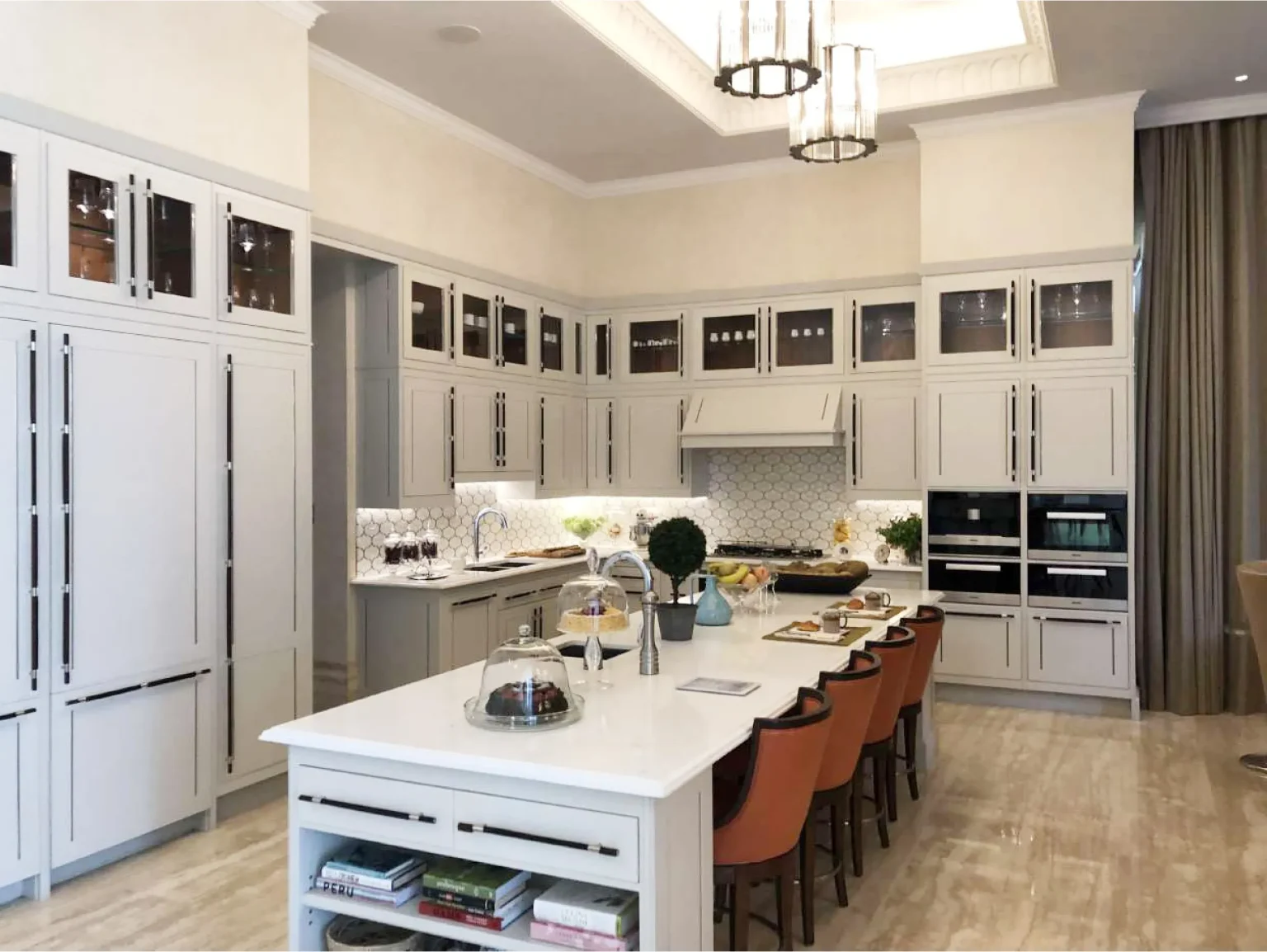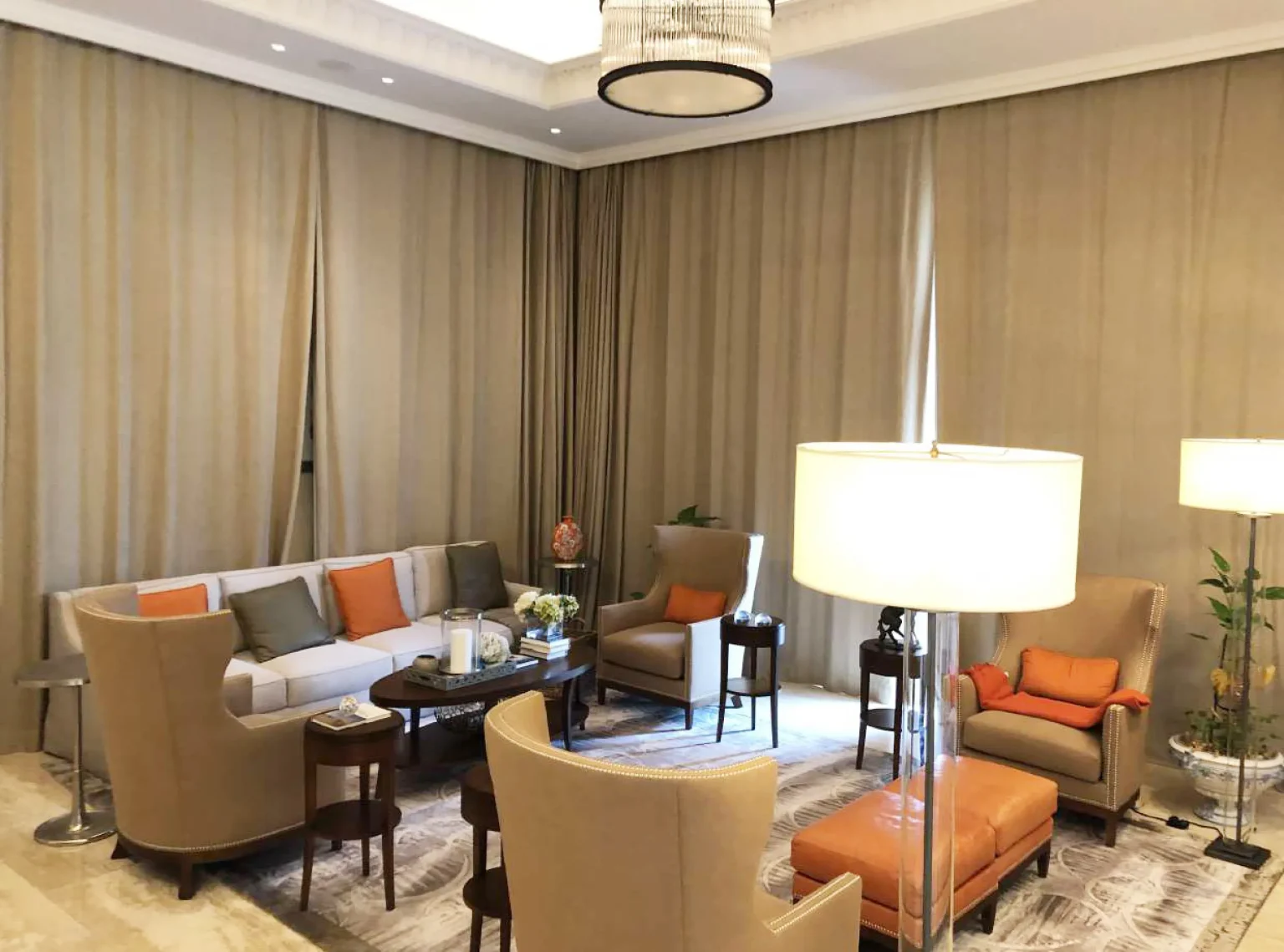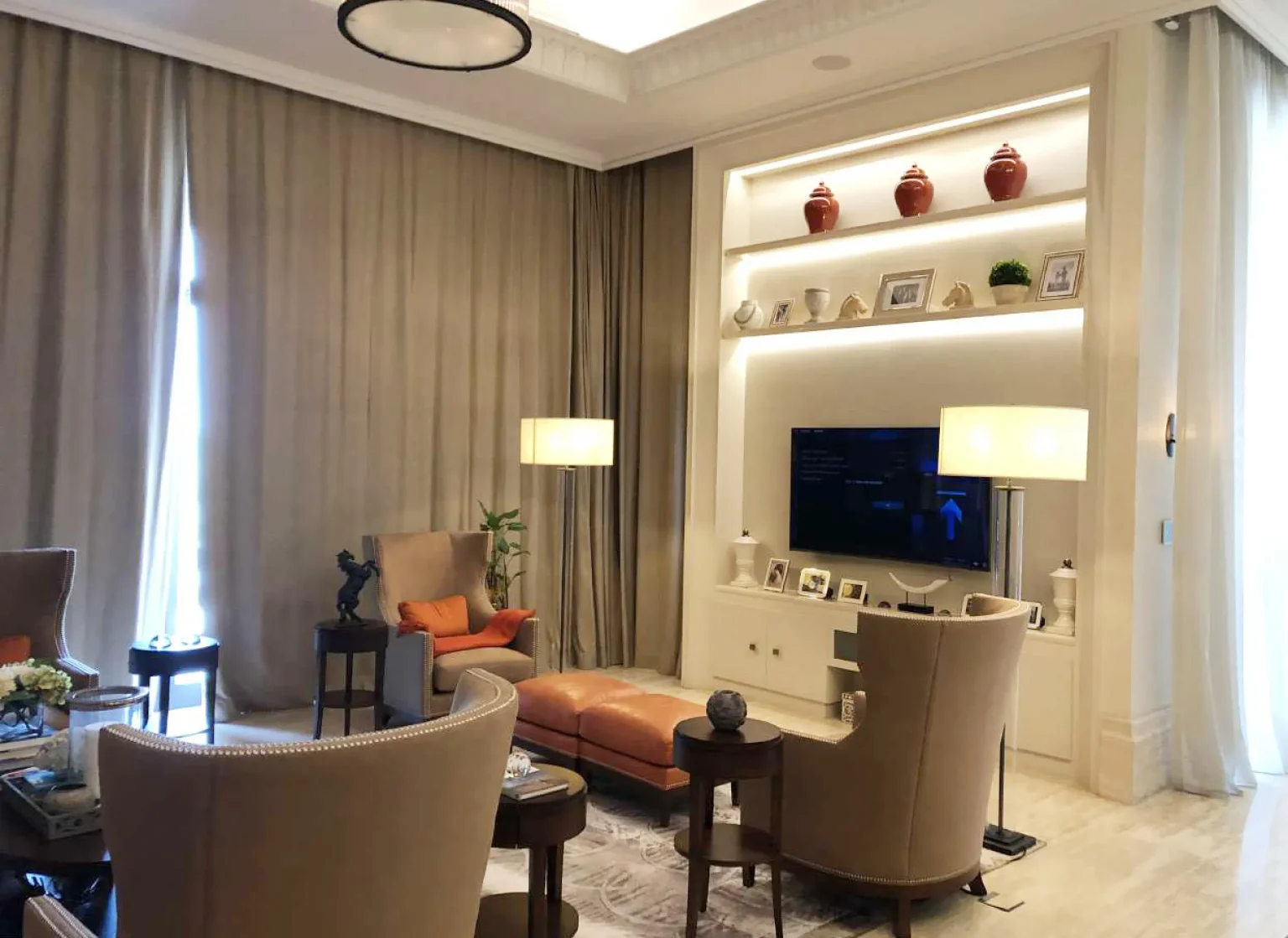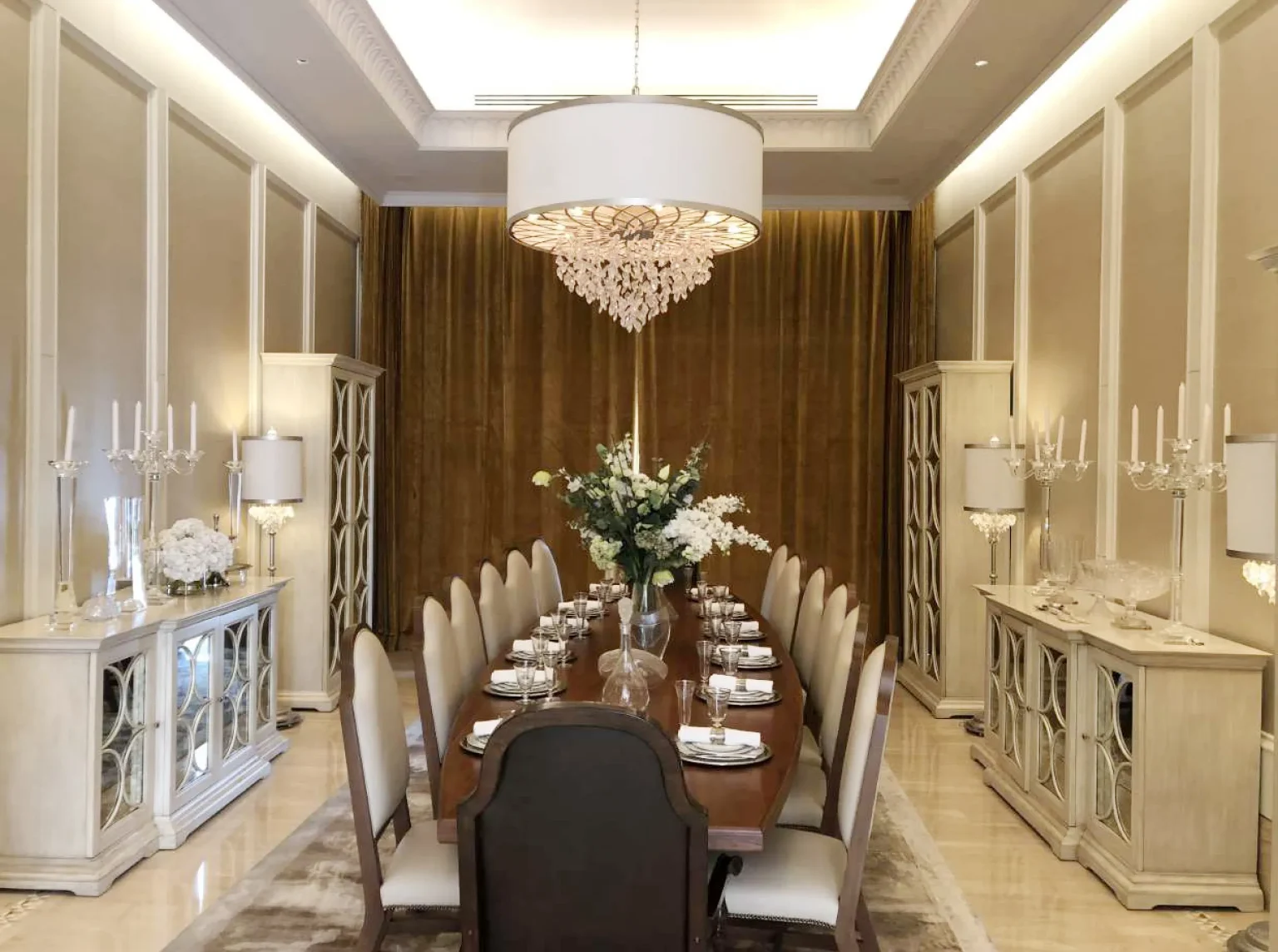
You bought a beautiful table from an overseas supplier. Six months later, the top has bowed, the joints are loose, and there is a crack running along the grain. This is one of the most common complaints from homeowners and businesses in the UAE, and it is rarely a manufacturing defect. It is a climate problem that starts long before the furniture ever reaches your door.
Furniture built for a temperate country is simply not made to survive Gulf heat and humidity swings. Understanding why this happens is the first step to buying pieces that actually last, whether you are furnishing a villa or fitting out a commercial space through a proper custom furniture design process built for local conditions.
The Real Reason Furniture Warps in the UAE
Wood is not a static material. It absorbs and releases moisture depending on the humidity around it, and it expands or contracts as a result. In countries with mild, stable climates, this movement is slow and small. In the UAE, it is fast and extreme.
Dubai and the wider Gulf region swing between very high humidity near the coast and extremely dry heat inland, often within the same week. Add in air conditioning, which pulls moisture out of the air indoors while outdoor humidity stays high, and you get a constant tug of war on the wood fibers. Furniture that was built and dried for a stable European or Asian climate simply cannot handle that cycle.
What Actually Happens Inside the Wood
1. Improper Moisture Content Before Manufacturing
Wood needs to be dried to a specific moisture level before it is built into furniture, and that level should match the climate it will live in. Furniture manufactured for markets with 40 to 60 percent average humidity is dried accordingly. When that same piece arrives in a UAE home running air conditioning at 20 to 30 percent indoor humidity, the wood keeps losing moisture long after manufacturing is finished. That ongoing shrinkage is what causes cracking, warping, and loose joints.
2. Sudden Temperature and Humidity Swings
Furniture placed near windows, balconies, or entryways experiences the sharpest swings, since it absorbs direct heat during the day and then sits in cooled, dry air at night. This constant expansion and contraction stresses joints, veneers, and glued panels far more than a stable indoor environment would. Over time, the wood simply cannot keep flexing without cracking somewhere.
3. Poor Quality Adhesives and Veneers
Cheaper furniture often relies on veneer over particleboard rather than solid or properly engineered wood. Veneer glue is especially sensitive to heat, and in a hot villa storage room or a car during transport, temperatures can climb well past what standard adhesives are rated for. Once the glue softens even slightly, the veneer starts to bubble, lift, or peel away from the surface underneath.
4. Shipping and Storage Conditions
Even well-made furniture can be ruined before it reaches you. Shipping containers sitting on a dock in Jebel Ali in summer can reach extreme internal temperatures, and warehouses without proper climate control expose furniture to the same stress the finished piece will face in a home, except concentrated into a shorter and harsher period. Damage from this stage often does not show up until weeks after delivery, which is why the problem gets blamed on the home rather than the shipping process.
Why Locally Manufactured Furniture Holds Up Better
Furniture that is designed and built for the UAE from the start goes through a completely different process. Wood is kiln dried to a moisture level suited to local indoor conditions, not the exporting country’s climate. Joinery techniques account for expansion and contraction instead of ignoring it, and finishes are chosen specifically to resist heat and UV exposure from strong sunlight through glass.
This is the core advantage of working with an established furniture manufacturing partner in the region rather than importing pre-built pieces. When furniture is made close to where it will be used, there is no long shipping period through extreme heat, no guesswork about the destination climate, and no gap between how the wood was treated and how it needs to behave once it is in your home or office.
What to Look for When Buying Furniture in the UAE
If you are choosing between imported and locally made furniture, a few questions will tell you a lot about how well a piece will hold up:
- What wood species and grade is used, and was it kiln dried for Gulf humidity levels
- What type of joinery is used, since mortise and tenon or dowel joints handle movement better than staples or basic glue joints
- What finish is applied, since UV-resistant sealants matter far more here than in cooler climates
- Where the furniture was manufactured, since local production skips the shipping and storage stress entirely
- What warranty is offered, since a manufacturer confident in their material and process will usually stand behind it longer
Materials matter just as much as the furniture itself. The same climate stress that affects joinery also affects flooring, doors, and fixed cabinetry, which is why sourcing proper building materials rated for regional conditions matters across an entire space, not just standalone furniture pieces.
Protecting Furniture You Already Own
If you already have imported pieces showing early signs of stress, a few habits slow the damage down considerably. Keep furniture away from direct sunlight through windows, use blinds or UV film on glass where possible, and try to keep indoor humidity in a moderate range rather than running air conditioning at very low humidity settings. Wood polish and conditioning oils also help slow moisture loss in solid wood pieces, though they cannot fully reverse damage that has already started.
For commercial spaces going through a full interior fit-out, planning furniture and fixed joinery around local climate conditions from day one avoids this problem altogether, rather than trying to manage it after installation.
Frequently Asked Questions
Q1: Why does imported furniture crack in Dubai homes?
A: Most imported furniture is dried and manufactured for a different climate’s humidity levels. Once it enters a UAE home with air conditioning running at low humidity, the wood keeps losing moisture and shrinks unevenly, which causes cracking and warping.
Q2: Is solid wood furniture better than veneer for the UAE?
A: Generally yes, especially for pieces exposed to sunlight or temperature swings. Veneer is more sensitive to heat and can lift or bubble when adhesives are stressed by high temperatures during shipping or storage.
Q3: Can warped furniture be repaired?
A: Minor warping can sometimes be corrected by a skilled furniture technician, but severe cracks or joint failure usually mean the piece needs to be rebuilt or replaced. Prevention through proper material choice is far more reliable than repair.
Q4: Does locally manufactured furniture cost more than imported furniture?
A: Not necessarily. Locally manufactured furniture often costs about the same as quality imported pieces once shipping, customs, and replacement costs are factored in, and it is built specifically to survive local conditions from the start.
Build Furniture That Is Made for This Climate
Furniture should not need to be replaced every couple of years because it was never built for the environment it lives in. Working with a team that manufactures locally, using materials and techniques suited to Gulf conditions, means fewer surprises and furniture that actually lasts.
Contact CHIHU Group to discuss custom furniture built specifically for UAE homes and offices, from material selection to final installation.